Beginners watching football often find it difficult to tell why some free kicks allow an immediate shot at goal while others require a teammate to touch the ball first. The distinction rests on Law 13 of the IFAB Laws of the Game, which lists specific offences that produce an indirect free kick rather than a direct one. Understanding the difference helps viewers follow why a referee awards one restart over another without needing additional explanations from commentary.
Match context matters because the same physical contact can lead to different restarts depending on the competition rules in force and the precise location on the pitch. League matches, cup ties and international fixtures all apply the core Laws but may add minor procedural notes for time-keeping or player numbers. The following sections set out clear steps to identify each type of award during live play.
The Core Distinction in Law 13
Law 13 states that direct free kicks are awarded for offences involving contact with an opponent or the ball, such as tripping, pushing or handball by an outfield player. Indirect free kicks cover non-contact offences and certain goalkeeper actions inside the penalty area. The referee must therefore judge both the nature of the offence and the position on the field before raising an arm to signal an indirect restart.
Readers can check the signal first: an arm held straight above the head indicates indirect, while a direct free kick receives no such sustained signal. This visual cue appears before the ball is placed and remains visible until the kick is taken or play restarts another way.
Common Situations Leading to Indirect Free Kicks
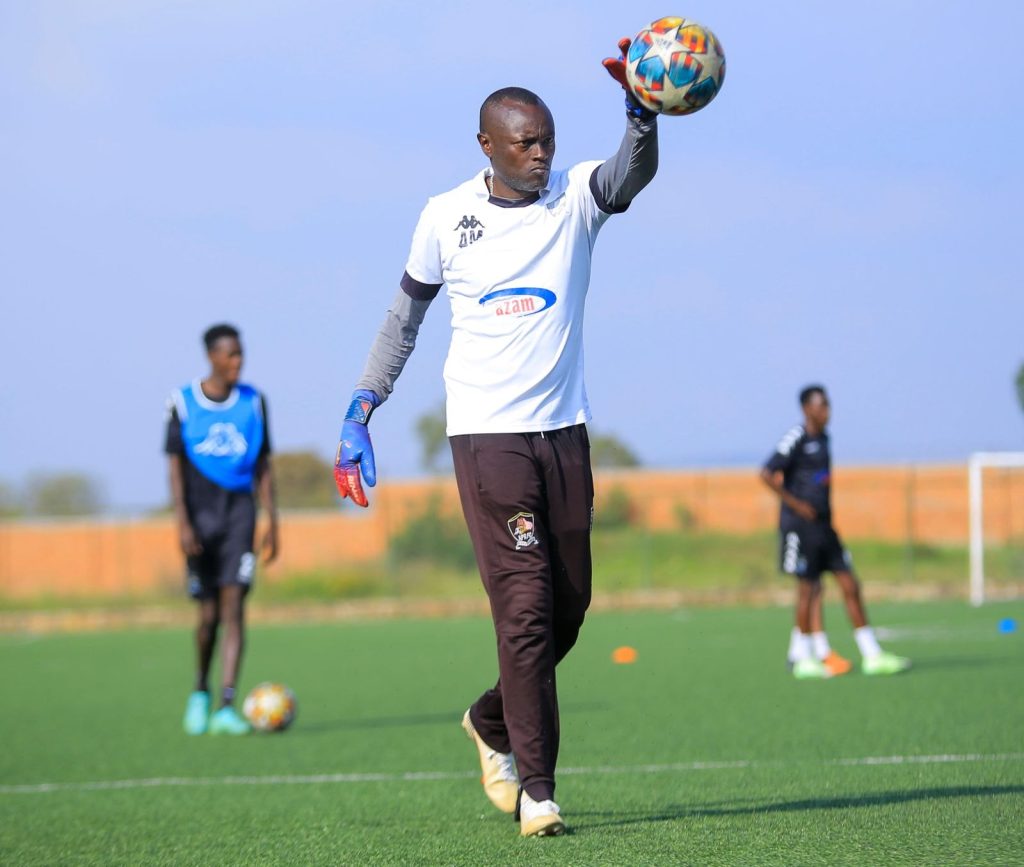
Goalkeeper offences inside the penalty area frequently produce indirect free kicks. These include holding the ball for more than six seconds, touching it again after releasing it without another player intervening, or handling a deliberate back-pass from a teammate. Each case requires the referee to confirm the goalkeeper’s actions rather than any contact with an opponent.
Offences such as impeding an opponent without contact, or preventing the goalkeeper from releasing the ball, also result in indirect awards. Viewers can track these by noting whether the referee stops play for a non-contact infringement rather than a challenge involving physical interference.
Checking for the Required Second Touch
After an indirect free kick the ball must touch or be played by another player before a goal can be scored. Beginners can watch the first movement after the kick: if the ball goes straight into the net without a second touch, the goal is disallowed and play restarts with a goal kick. This rule applies uniformly across FIFA-affiliated competitions.
Teams therefore position a second player near the kicker to ensure the ball deflects or is passed onward. Supporters following set-piece routines will notice this extra player more often when the free kick occurs close to the penalty area.
Competition and Match Context Influences
While the Laws remain consistent, some youth or amateur competitions apply rolling substitutions that can affect how quickly an indirect free kick is taken. Professional leagues follow stricter timing rules once the ball is placed. Referees in these settings still apply the same Law 13 criteria but manage the restart within the overall match time allowances.
International matches under FIFA jurisdiction add no extra categories for indirect free kicks, yet the presence of additional assistant referees can help confirm whether a second touch occurred in crowded goalmouth situations.
Referee Signals and Communication
Officials combine the raised-arm signal with verbal instructions to the players. When an indirect free kick is awarded near the penalty area, the referee often points to the exact spot and confirms the signal to nearby players. This reduces confusion about whether a direct shot is permitted.
Assistant referees may also raise a flag to support the decision if the offence occurred on their side of the field. Viewers watching multiple camera angles can use these signals to verify the restart type before the ball is kicked.
Impact on Match Flow
An indirect free kick near goal changes attacking options because defenders can position themselves to block the required second touch. Attackers therefore use short passes or flicks to create space before shooting. This sequence appears more frequently in matches where teams seek to maintain possession rather than risk an immediate blocked shot.
Defending teams gain time to organise because the attacking side cannot shoot directly. The pause allows both sides to adjust marking assignments before the restart proceeds.
Common Viewer Misconceptions
Many new supporters assume any foul inside the penalty area produces a direct free kick or penalty. The Laws separate goalkeeper handling offences from contact fouls, so an indirect award remains possible even inside the area. Checking the referee’s arm signal clarifies the category without relying on assumptions about location alone.
Another frequent error is expecting every handball to produce the same restart. Outfield handball usually leads to a direct free kick, whereas goalkeeper handling of a back-pass leads to indirect. Distinguishing the player involved and the specific action removes the confusion.
Following these recognition steps during live matches builds familiarity with Law 13 decisions. The process relies on the referee’s signals, the nature of the offence and the competition framework rather than external commentary. Over repeated viewings the distinction becomes routine.