A runner can cover only a few metres and still transform an attack. The important detail may not be speed but the defender's view. When the ball, the runner and the space to protect cannot all be watched comfortably at once, an attacker has a chance to arrive unnoticed. A blindside run exploits that difficulty. To recognise it while watching football, shift attention away from the passer for a moment and examine where the relevant defender is looking before the movement begins.
Find the defender whose decision matters
Choose one defender and identify the space that player is responsible for protecting. It might be a full-back dealing with a wide attacker or a centre-back watching a forward near the penalty area. The blindside is relational: it depends on where the defender faces and what demands attention. An area behind a defender on the screen is not necessarily unseen. The player may have scanned it just before the broadcast camera moved.
Watch the defender's head and body where the picture allows it. A player facing the ball with a runner outside the immediate field of view has a different problem from a player side-on who can see both. That does not mean one stance is always wrong. The ball may be in a dangerous position that requires an immediate response. Good analysis asks what the defender is balancing, rather than assuming that losing sight of a runner proves a lack of concentration.
Notice what first attracts attention
A dribble, a pass into a forward's feet or a supporting overlap can pull the defender's attention towards the ball. The eventual runner may use that moment to change position. Look for the event that makes the defender turn or step. Sometimes the movement begins before the obvious attacking pass, making it easy to miss when following the ball alone. The first distraction can be more important than the final burst into space.
A teammate can help without touching the ball. An attacker who holds a wide position may keep one defender occupied while another moves inside. A forward who checks towards the ball may encourage a defender to step out, leaving a different route behind. These interactions make the run a collective action rather than a single player's trick. The useful question is which other position or movement made the defender's view and responsibilities harder to manage.
Separate the starting position from the acceleration
The runner often begins close enough to be relevant but not so close that the defender can monitor every adjustment easily. A small move away from the anticipated route can precede a sharper movement towards the receiving space. Watch whether the player changes pace after the defender looks at the ball. Starting early is not automatically better: arriving too soon can reveal the intention and give the defence time to pass the runner on.
FIFA's training material on the movement of a front three highlights blindside movement as a way to make runs difficult to anticipate. On a match replay, examine the timing rather than trying to infer a fixed instruction from one example. A curved run, a straight run and a short movement between defenders can all exploit a view problem. What connects them is the relationship between the defender's attention, the runner's movement and the moment the passer can use the space.
Check whether the passing lane is genuinely available
A clever run does not guarantee a pass. The ball carrier may face pressure, have the ball on the wrong foot or lack a clear lane. Pause before the delivery and identify the defenders between passer and receiver. A runner can be well timed and still be unreachable. Conversely, the visible pass may be simple only because earlier movement removed an obstacle. Avoid judging the quality of the run entirely by whether the ball arrives.
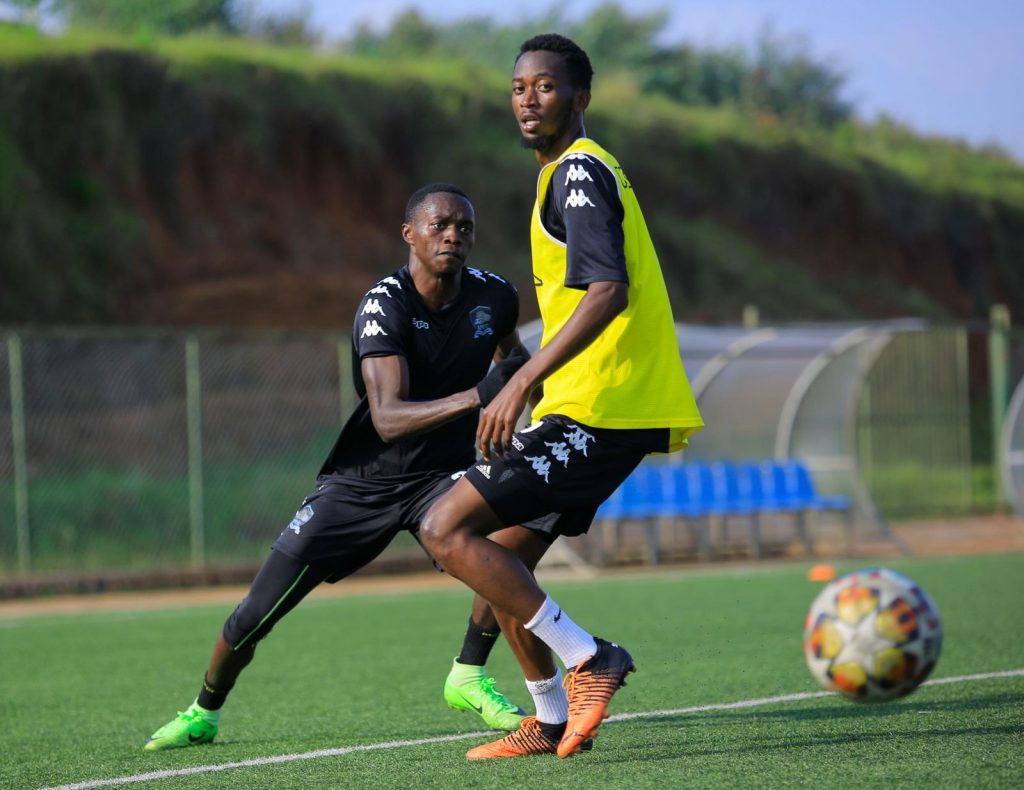
Consider the receiving action as well. Does the runner enter space facing goal, reach a ball travelling across the path or need to stop and control under pressure? The same route can produce very different opportunities depending on pass weight and angle. A defender recovering from a blindside movement may still reduce the chance through a quick turn or support from a teammate. The sequence is not finished when the runner first appears free.
Observe how the defence shares the problem
Watch the neighbouring defender as well as the one initially tracking the runner. A teammate may see the movement earlier and cover the destination. The defence can exchange responsibility, drop together or keep the runner away from the most dangerous space. If the move is stopped, identify that response. A blindside run can be well designed while a coordinated defensive action prevents it from becoming an opportunity. Both parts deserve attention.
Communication is not always audible on a broadcast, so avoid claiming that nobody warned a teammate simply because the sound is unavailable. Describe the observable result: the runner was tracked late, covered by another player or allowed to receive. Where the camera does not show the starting positions, leave that uncertainty visible. Tactical interpretation becomes stronger when it distinguishes what can be seen from an imagined conversation or instruction.
Use one replay to test a clear explanation
On a second viewing, follow only the runner from the start of the possession. On another, follow the defender's orientation and the passer's pressure. Then put the sequence back together. A concise account might explain that the runner moved when the defender stepped towards a receiving forward and reached the gap before the covering player could adjust. That is more informative than saying the attacker wanted the ball more or simply ran faster.
Look for another instance in the same match before calling the pattern a deliberate repeated plan. One movement may arise from a temporary situation, while several similar attempts reveal a more consistent relationship. The lesson for the viewer is to read attention as part of space. A gap can be physically small yet useful because the player responsible for it has been asked to watch something else at the decisive moment.