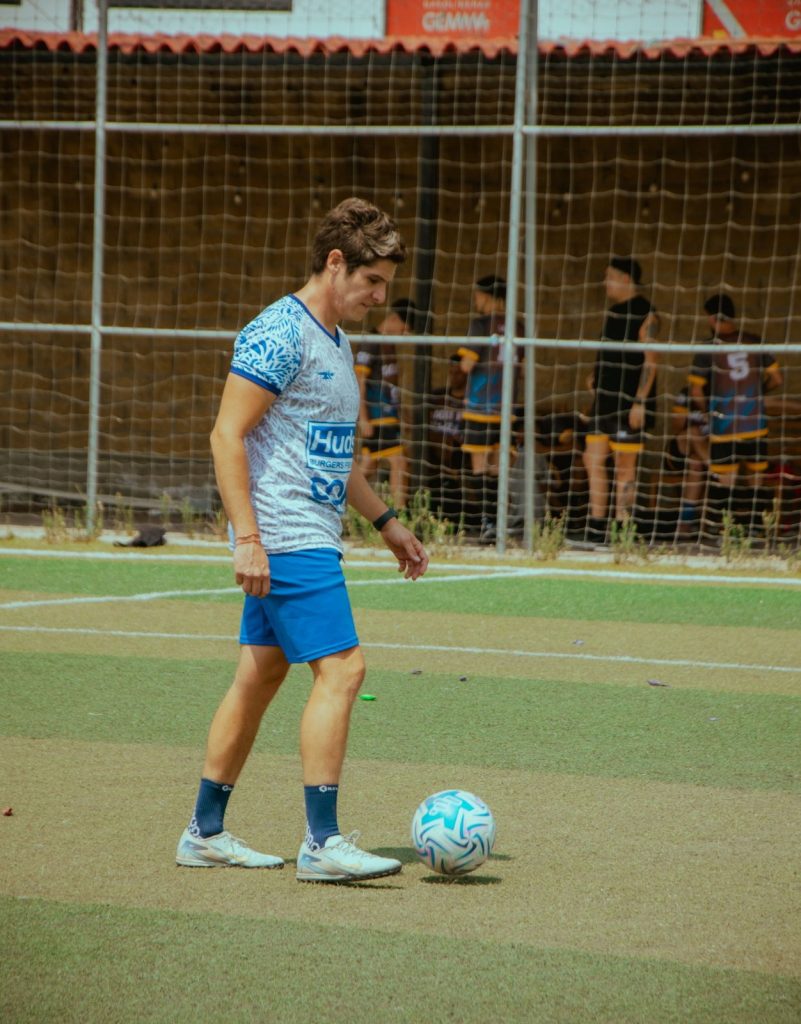
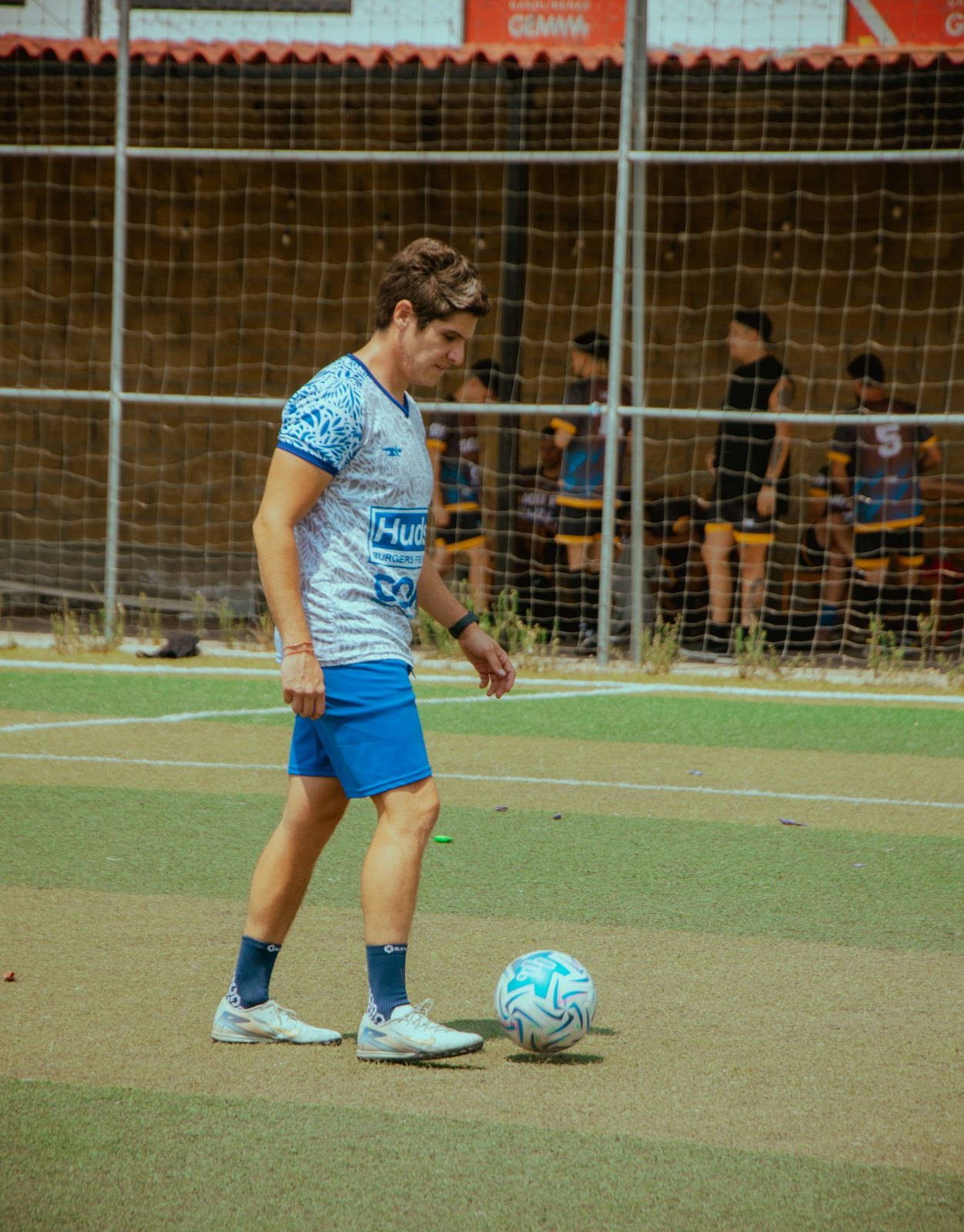
A cross is often judged in one word: good or poor. That verdict can hide the most interesting part of the attack. The delivery point, the ball's path and the attackers' movements create a specific problem for the defence. A lofted ball towards a far-side runner is not attempting the same thing as a fast pass across the front of goal. To understand the choice, start with the available receiving positions and work back towards the player delivering the ball. The cross should be read as a connection between movements, not as an isolated technical action.
Locate the delivery and the pressure on it
Identify where the passer is in relation to the penalty area and the nearest defender. A delivery from deeper can arrive while the defence is still turning, whereas one from close to the goal line creates a different viewing angle for the goalkeeper. Pressure affects the options. A defender closing quickly may block a low lane or force the passer to deliver before the ideal movement develops. Consider those constraints before deciding that another type of cross was obviously available.
Notice which foot the ball is on and whether the passer has time to set up. An early ball struck while moving can have a different purpose from a delivery after a pause and a change of direction. The camera may not show every option, so avoid inventing an unmarked teammate outside the picture. Describe the visible lanes and the defender's approach. That provides a fairer explanation of the decision than judging only where the ball eventually lands.
Distinguish height from destination
A high cross gives players time to adjust but may invite an aerial contest. A lower delivery can travel through a narrower lane and demand a quick contact. Neither is inherently a better attacking method. Look at who is positioned to meet the ball and whether the intended target needs it above a defender, in front of a run or into a space behind the first contest. Height is useful in relation to that destination.
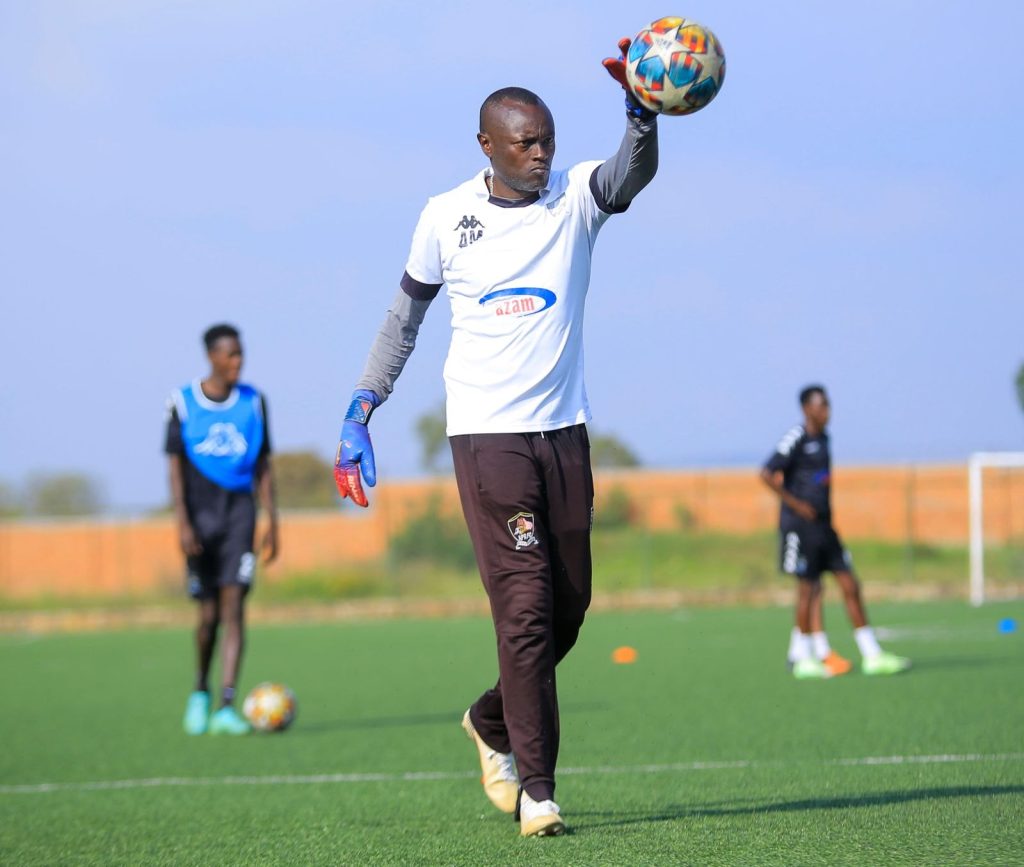
Do not assume that every high ball is aimed at the tallest forward. A far-side teammate may be arriving against a different marker, or a central attacker may occupy defenders to free that route. Likewise, a low ball can be intended for a first-time finish or for a teammate who can control and continue. A delivery that misses the nearest forward might still be aimed elsewhere. Check the movement across the whole receiving area before assigning a target.
Watch when the runners change pace
Attackers often adjust their position before accelerating towards the delivery. A player can move away from the intended receiving point to create room for a later run. Watch the timing against the passer's preparation rather than looking only at the final contest. If the runner arrives too early, the defender may have time to establish position. If the runner starts too late, a well-placed ball can travel through without a touch.
Multiple runs can divide defensive attention. A near-side movement may pull a defender towards the ball while another attacker stays further across. The useful question is how the runs fit together, not whether everybody heads towards the same central point. When two attackers arrive in the same lane, they may make the defence's task easier. A missed connection can therefore arise from timing and spacing among the receivers rather than solely from the delivery's accuracy.
Include the goalkeeper in the geometry
A cross travels through an area the goalkeeper may be able to reach. Watch the goalkeeper's starting position and the ball's path without assuming that every ball near goal should be claimed. Traffic, pace and the angle of approach can alter the decision. A goalkeeper who stays may be protecting a position for the next action, while one who comes has judged an opportunity to intervene. The broadcast may not reveal all of the sightlines involved.
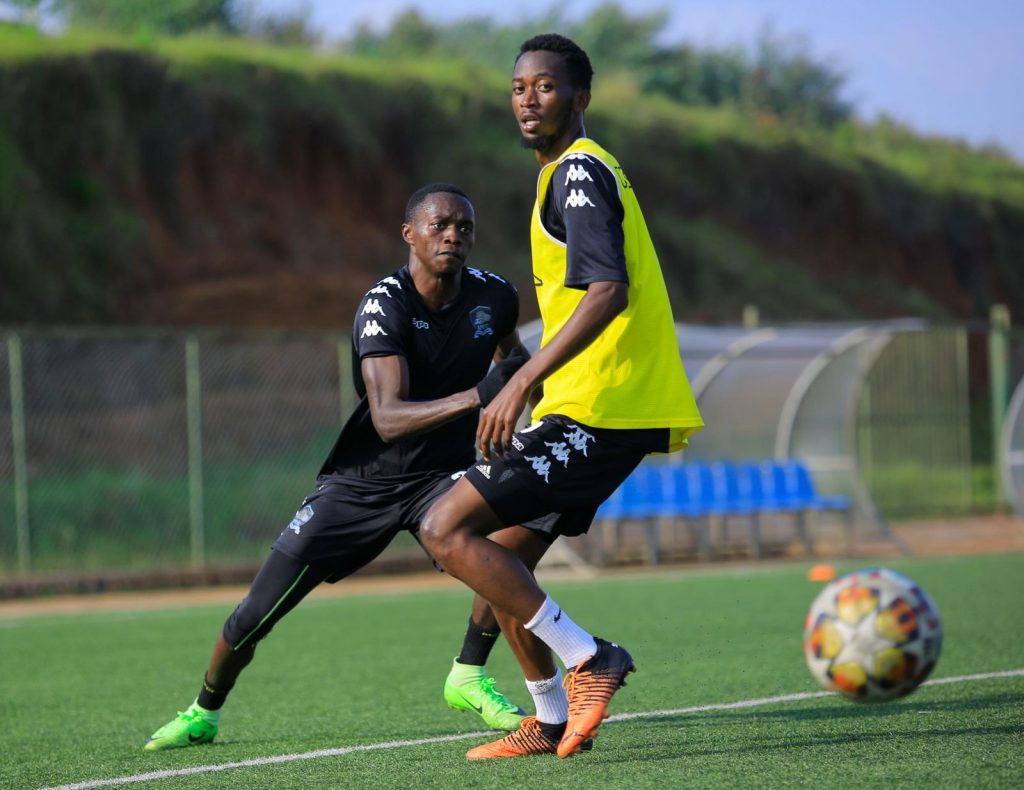
For the attackers, the delivery needs to connect with a teammate without offering an easy intervention. That is not the same as simply placing the ball as close to goal as possible. A ball further away can give a runner a clearer meeting point, while a ball too close can run harmlessly through. Explain the actual trade-off in the sequence. Avoid using one saved or claimed cross as proof that a delivery zone is always wrong.
Read the first contest and the next possession
A cross may lead to a headed clearance, a blocked contact or a ball travelling beyond the intended zone. Watch the players positioned for that next action. An attack with good support around the area may recover possession even when the first delivery is defended. That does not automatically make the cross successful, but it changes the outcome from a single lost contest into a continuing phase of pressure.
Separate the chance created from the result of the shot. A difficult finish from a poor angle and a clear opportunity can both count as a shot after a cross. Similarly, an attacker narrowly missing a well-timed delivery tells a different story from a ball that never reaches a plausible receiving lane. If recording examples, note delivery point, intended movement and defensive intervention. Those details support a useful comparison between attacks that a total crossing count cannot provide.
Compare similar situations before judging a pattern
Find two or three deliveries from a comparable area and look for what changes. The defence might begin closing the passer earlier, a far-side runner might arrive later or the goalkeeper might alter the starting position. These adjustments can explain why a route works once and fails later. Calling a team good or bad at crossing from one highlight is much less informative than identifying how its delivery and movement repeatedly connect.
A clear description can be short: the early lofted cross found the far-side runner before the defender could turn, or the low delivery was blocked because pressure closed the lane before the central run developed. That language links technique to the match situation. It also leaves room for uncertainty when the target is unclear. Reading crosses well means asking what the ball was trying to connect, then checking whether the movement and delivery made that connection possible.