A winger facing an opponent does not always need to beat that opponent alone. A teammate running beyond can create another route, draw a marker or make space for the winger to move. When that supporting run goes outside the ball carrier it is commonly called an overlap; when it goes inside, it is an underlap. The names describe the relationship between the runners, not a permanent job assigned to a particular shirt number. Their value comes from the choice they force on the defence and the options that remain after the first movement.
Establish the winger and the supporting runner
Start by finding the ball carrier and the teammate moving from a supporting position. A full-back often makes the run, but a midfielder or another attacker can do it too. Watch their relative positions rather than identifying the pattern from the team sheet. An outside run can become available because the winger has moved infield, while an inside run may use space beside a winger holding width. The initial spacing helps explain why a route is plausible.
Identify the nearest defenders and who might take responsibility for each attacker. A wide defender may face the ball while a midfielder follows the support. The attack is not automatically creating a two-against-one simply because two teammates appear in the same area. Check whether another opponent can cover. The tactical interest lies in the changing responsibilities: who must follow, who can stay and which passing lane opens if a defender makes a particular choice.
Read the outside run as more than a request for the ball
An overlap can offer a passing route around the outside, but it can also change the defender's ability to engage the winger. If the defender turns to follow the runner, the ball carrier may gain room to move inside. If the defender stays, the outside pass may become available. Watch which response occurs before deciding whether the support helped. A runner who never receives can still be central to the action.
Timing matters because the supporting player needs to arrive while the winger can use the option. A run that goes too early may be tracked before the ball carrier is ready; one that begins too late may leave the winger isolated at the crucial moment. Observe whether the ball is under control and whether the runner can be reached safely. The best-looking sprint on the screen does not create an option if a defender already occupies the passing lane.
Find the interior space used by an underlap
An underlapping runner goes inside the wide ball carrier, potentially towards a channel between defenders. This can suit a winger who stays wide and keeps the nearest opponent occupied. Watch whether the interior lane is genuinely open or crowded by teammates. An inside run is not useful merely because it is more central. The supporting player needs a route through which the ball can travel and a receiving position that allows a meaningful next action.
A defender may follow the underlap and leave the winger with more space outside, or stay with the winger and ask a teammate to cover the run. Watch the handover between opponents where the picture permits it. A failed pass can result from effective cover rather than a bad idea. Conversely, a pass into the channel may expose a gap because two defenders both remain concerned with the ball carrier. The pattern is an invitation for a defensive decision, not a guaranteed route through the line.
Check the movements of the other attackers
A forward's position can determine whether an overlap or underlap has useful space at the end. If the central attacker moves towards the same channel, the two runs may compete for room. If that player occupies a defender elsewhere, the supporting runner may enter a clearer lane. Look at the area beyond the first pass. A successful wide combination needs a destination for the ball and enough support for the next action.
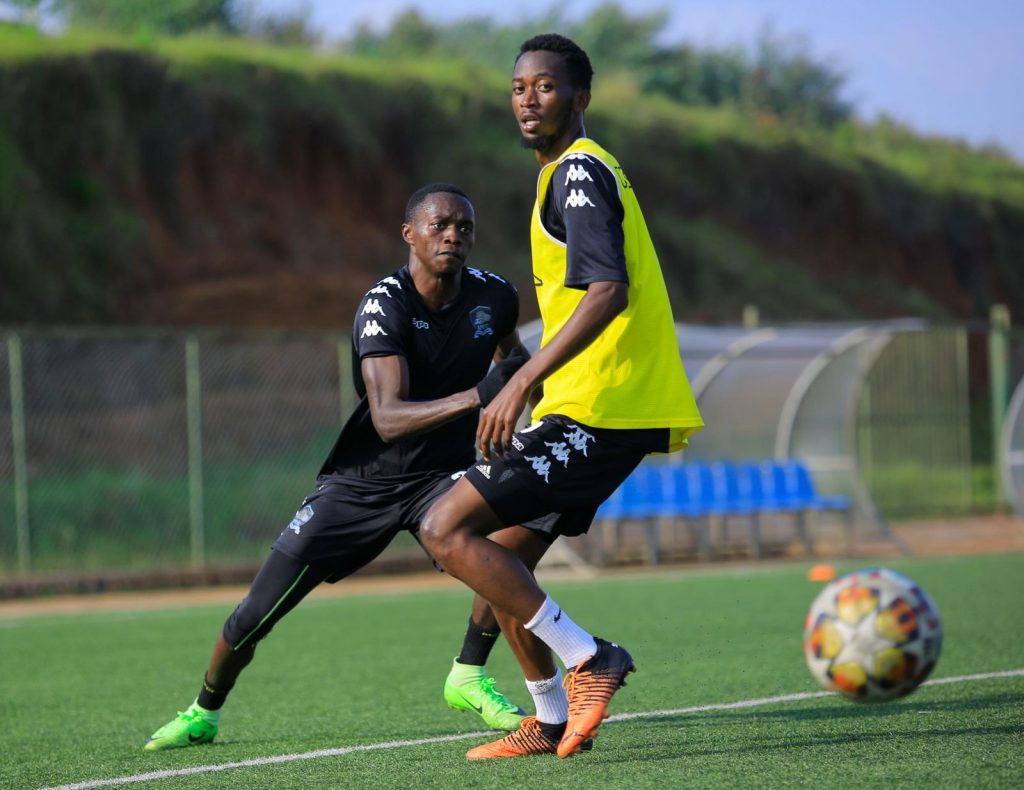
A nearby midfielder may provide a return pass when the forward route closes. That support can let the team keep the ball and try a different angle rather than force a delivery. Do not measure the run only by whether it produces a cross. It might create space for a shot, a pass back inside or a controlled continuation. Describe the option actually produced instead of assigning a fixed ending to every outside or inside run.
Notice what is left behind the run
When a supporting player advances, other teammates must occupy positions that make sense if possession is lost. Watch the space the runner leaves and the nearest opponents who could use it. This does not mean the run was reckless simply because it went forward. A midfielder may move to cover, or the team's wider structure may already account for that movement. The relevant detail is how the forward support fits into the rest of the shape.
If the attack breaks down, follow the first defensive response. Does the runner recover, does another player delay the counter-attack, or does the team have an immediate pressure option? These observations explain the cost as well as the benefit of the attacking movement. Avoid judging the entire tactic from one turnover. Compare the positions established before the loss and the way the team responds, rather than treating every space behind an advancing full-back as an avoidable mistake.
Use the defender as the guide to the outcome
On a replay, watch the wide defender through the whole sequence. Note the starting stance, the moment the support becomes a threat and the response to the ball carrier. Then follow the covering defender. This approach reveals why an unplayed run can matter and why an obvious pass may be unavailable. It also avoids describing support runs as decoration around a winger's individual skill when they are shaping the defender's options.
A useful comparison asks which problem the attack chose to create. The overlap stretches the outside relationship; the underlap asks the defence to manage a route inside the ball carrier. Neither is a universal upgrade on the other. Their effectiveness depends on spacing, timing, cover and the next action. Once those relationships are visible, the labels become helpful shorthand for a specific mechanism rather than fashionable terms that replace watching what happened.