

Confirm the fixture before the story
A match preview starts with basic information that readers can act on: who is playing, in which competition, at which venue and when. Use the organiser or clubs' official fixture listings as the starting point. Kick-off times can change, so check the current listing rather than copying an old calendar entry or a search snippet.
Name the time zone when it could be unclear. A local evening fixture can fall on another date for a reader elsewhere. If the match has been moved, explain the revised information using a dated official notice. Accuracy at this level matters more than a dramatic introduction, because an engaging preview is little use if it sends the reader to the wrong time.
Explain the competition context
A league match, a group-stage fixture and a knockout tie create different incentives. Check what the result can change and which tie-break rules apply before describing a game as decisive. A team may need a win, a draw or a particular aggregate outcome, but that conclusion must come from the actual competition format rather than a familiar assumption.

Keep the context readable. State the relevant table position or first-leg result only when it has been verified and adds something to the explanation. Avoid filling the preview with unrelated historical meetings. The useful question is what this fixture asks of each side now, within the rules and stage of the competition being played.
Separate availability from speculation
An official squad announcement, a manager's public update and a reporter's expectation are different kinds of information. Label them accordingly. A player missing a training image is not proof of an injury or absence. When availability remains uncertain, describe the uncertainty instead of turning a possible selection into a confirmed team sheet.
Keep unconfirmed lineups out of a factual preview. You can explain how a role might be covered without claiming to know the final choice. For example, identify whether the team needs width, central cover or a run behind. That discussion gives readers a tactical question to watch once the official lineup is published.
Choose a small number of tactical questions
A useful preview helps the reader notice something during the game. Ask how one side might progress through a compact midfield, how it will defend a wide overload or which spaces become exposed after losing possession. These are questions with observable answers. They are more helpful than declaring that a side must simply show more desire.
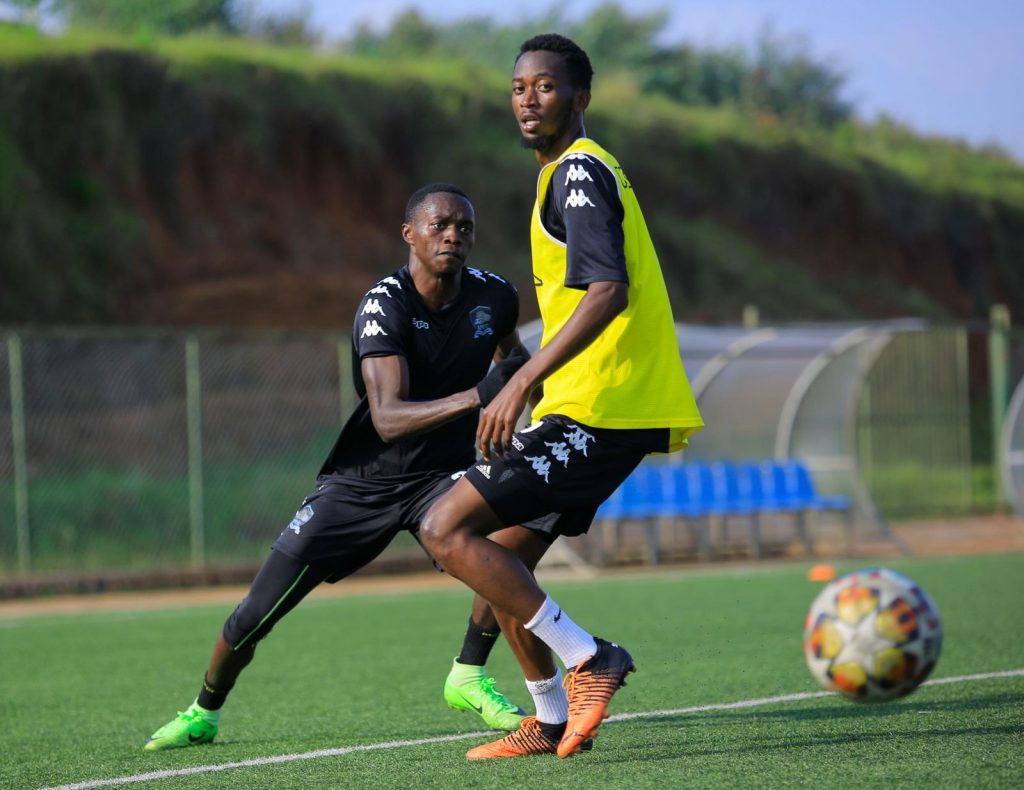
Connect each question to a known playing pattern or a clearly identified scenario. If you discuss a hypothetical adjustment, say what would make it relevant rather than presenting it as a secret plan. The aim is to prepare the reader to observe the match, not to claim access to instructions that neither club has made public.
Update when information becomes official
The published lineup may resolve some questions and introduce others. Check the names and roles, then revise any earlier availability statement that is no longer accurate. Include the update time where the article contains changing information. A preview should become more reliable as kick-off approaches rather than preserving an outdated guess for the sake of consistency.
After publication, keep prediction separate from reporting. An expected tactical contest is an interpretation, while the venue and announced squad are facts that can be checked. This distinction allows a preview to have a clear voice without overstating certainty. Readers should know both what has been confirmed and what they are being invited to watch for.
Further reading: IFAB Laws of the Game · FIFA Training Centre: core principles of play