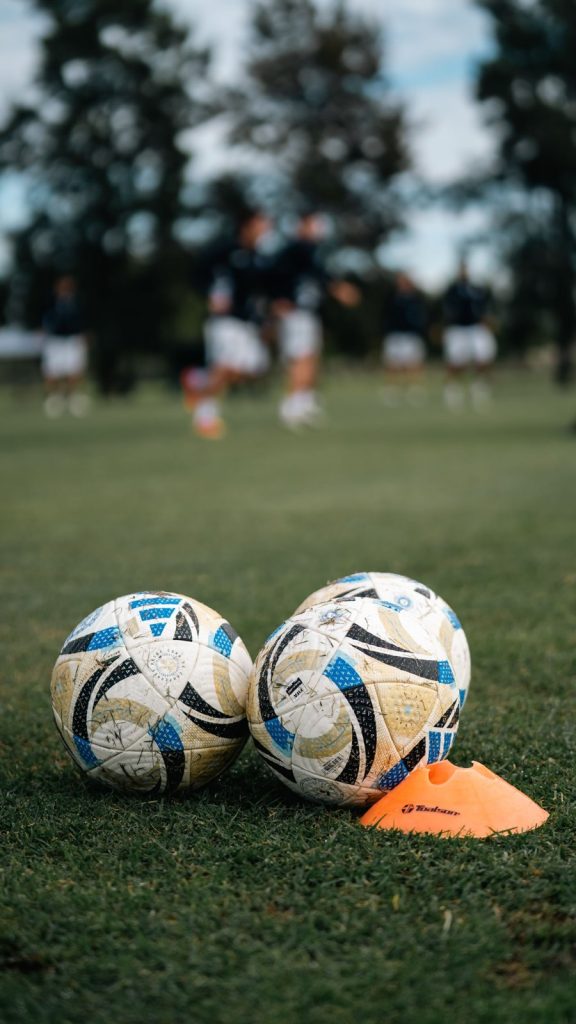
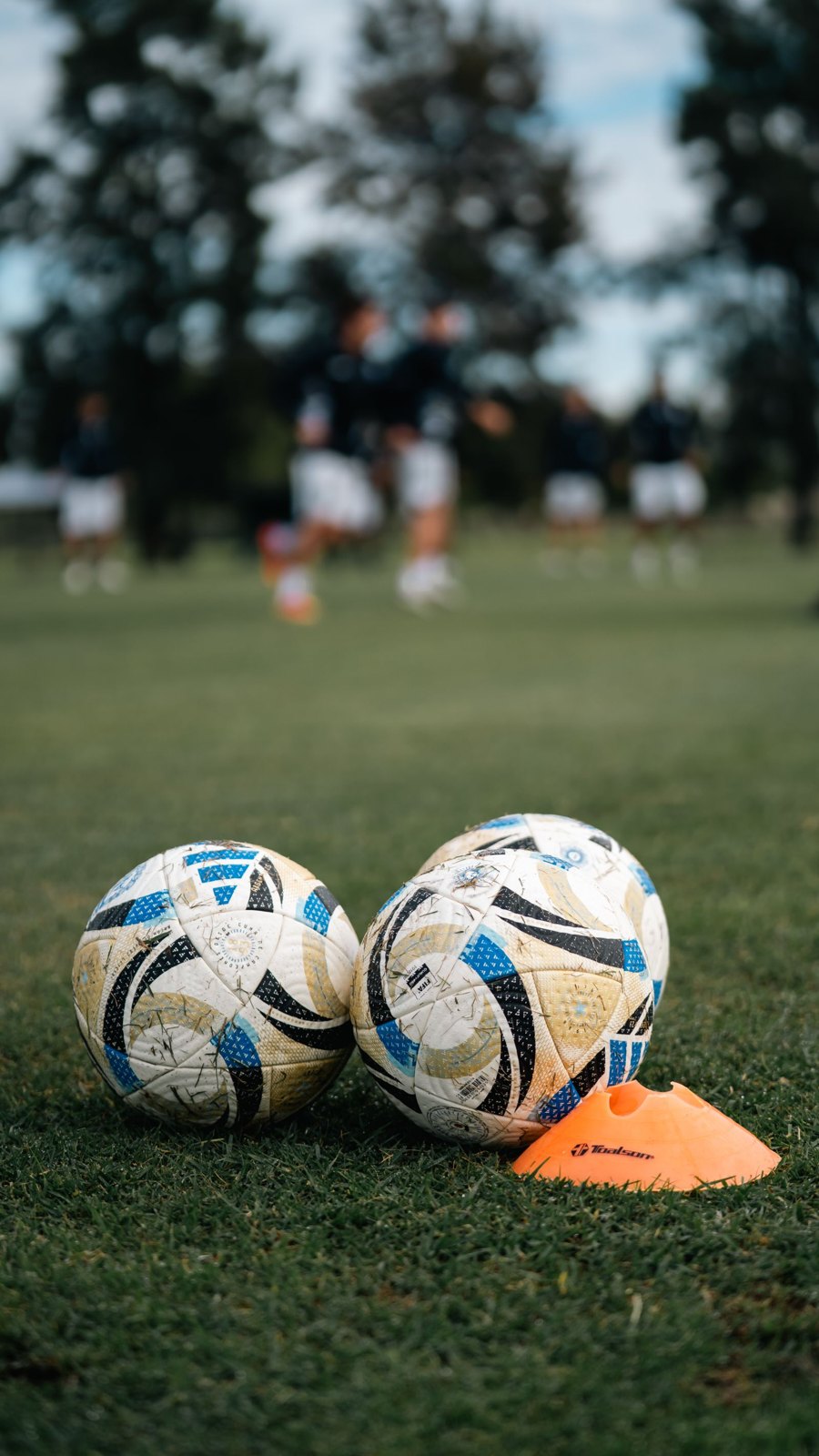
A short goal kick can put the ball close to the defending goal while opponents wait just outside the penalty area. For a viewer remembering older procedures, the next few seconds can be confusing. Does the ball need to leave the area? May an opponent run in? Why might a quick restart continue even with somebody still inside? The answer begins with the moment the ball becomes live and the circumstances before that moment. This guide uses the IFAB's 2026/27 laws, keeping the procedural questions separate from whether playing short was a sensible tactical choice.
Identify the restart before evaluating the decision
A goal kick normally follows the ball crossing the goal line last touched by an attacker without a goal being scored. Check that this is the restart actually awarded. A goalkeeper placing a ball on the ground during ordinary play is not necessarily taking a goal kick. The appearance can be similar in a short clip, but the conditions are different. Begin with the preceding event and the referee's decision rather than the position of the ball alone.
The restart does not have to be taken by the goalkeeper. Under Law 16, a defending player kicks a stationary ball from within the goal area. That can produce different receiving arrangements. A teammate may take the kick while the goalkeeper becomes an available connection. Watch the actual kicker and next touches instead of assuming that the most familiar player-role combination must be present. This simple identification prevents confusion later if a second touch or an opponent's approach becomes important.
Find the moment the ball is live
The ball is in play when it is kicked and clearly moves; it does not need to travel outside the penalty area. Opponents must remain outside that area until then. This creates a clear dividing point for viewing the first press. A defender receiving inside the area is not itself a procedural error. The important timing question is whether the opponent's entry and involvement respect the conditions around the kick.
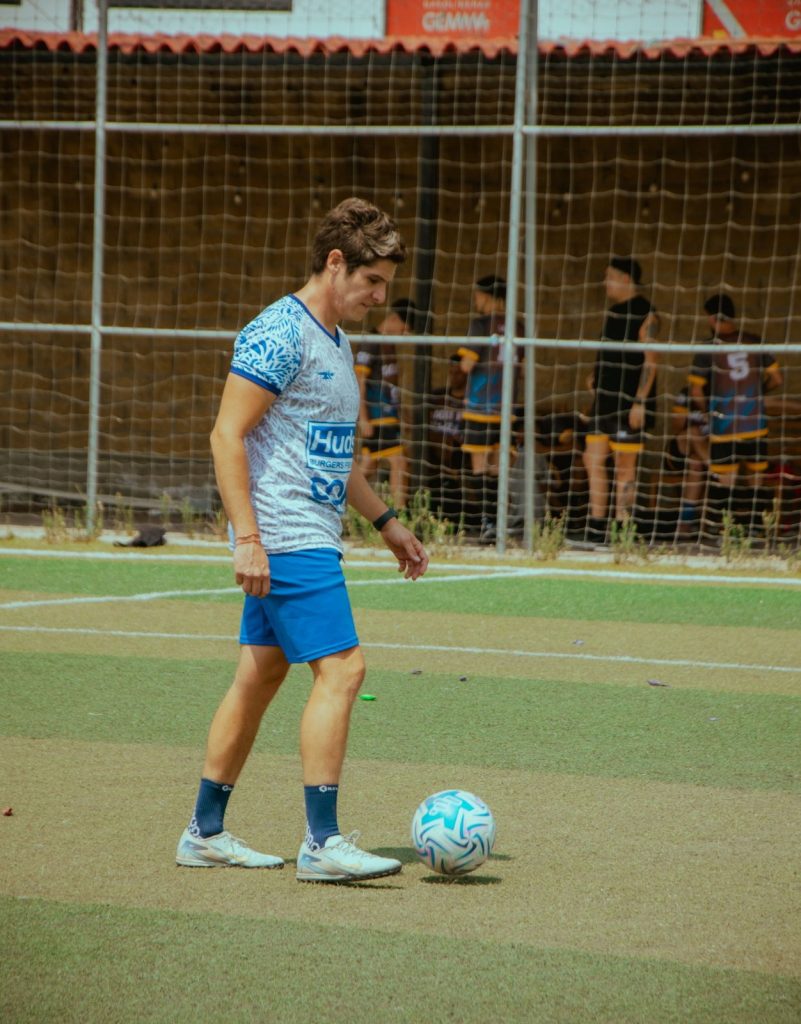
Watch the ball and the entering attacker together where the camera permits it. A freeze-frame chosen after the kick can show an opponent inside the area without revealing whether entry was early. The sequence needs the preceding frames. If the broadcast hides the kicker's contact or the attacker's starting point, acknowledge that limitation. A good explanation identifies the timing that matters and avoids inventing certainty from a picture that shows only part of it.
Law 16 distinguishes opponents who genuinely lacked time to leave from those seeking an unfair advantage by remaining inside. That distinction is why the statement opponent in the area does not settle every quick-restart incident. For a specific case, consult the full procedure and official examples. Keep the account narrow: what was the player's starting position, was there time to leave and when did the challenge or touch occur? Those facts are more useful than a blanket rule copied from memory.
Track the kicker and the next player to touch it
After the ball becomes live, the kicker cannot touch it again before another player does without the relevant second-touch consequence. The exact sanction can depend on the action and context, so do not reduce every unusual sequence to the same casual description. Start by identifying whether anybody else touched the ball. A rebound, a controlled reception and a mistaken assumption that a teammate had played it can produce different factual sequences.
This is another reason to distinguish a goal kick from an ordinary release by the goalkeeper. Different starting situations can look alike once the ball is at a player's feet. A close-up beginning after the kick is insufficient for a confident explanation of how the restriction arose. Reconstruct the restart from the actual beginning. If disciplinary questions also arise, use the relevant law rather than assuming that every procedural offence automatically means a yellow or red card.
Keep delay management separate from the goalkeeper holding rule
The 2026/27 material includes a visible five-second countdown where the referee determines that a team is unfairly delaying a goal kick. If it remains untaken at the end, the opposition receives a corner. The published protocol explains the referee's signal and procedure. That process should not be confused with the separate rule concerning a goalkeeper controlling a live ball with the hands. One concerns a restart not yet taken; the other concerns possession during play.
For a viewer, first ask which state the match is in. Is the referee waiting for a goal kick, or is the goalkeeper holding a ball collected during live play? Then watch for the relevant signal. A broadcast clock or fan's own count can help describe elapsed time, but it does not replace the official starting point and judgement. Explaining the state of play clearly avoids merging two different countdown discussions simply because both involve a goalkeeper.
Analyse the short option after the legal question
Once the procedure is understood, assess the football. A short goal kick can draw opponents forward, create a passing angle or place a receiver under intense pressure. Watch the support beyond the first pass and the options available if the receiver cannot turn. A legal restart is not necessarily a good tactical choice, and a turnover near goal is not necessarily evidence that the procedure was unlawful. Keep those judgements separate.
On a replay, follow the first receiver, the pressing attacker and the next supporting teammate. Ask whether the pass helped the team escape pressure or invited a contest it could not manage. A longer option may have been available, but evaluate it against the actual positions rather than treating distance as an automatic guarantee of safety. The useful match explanation combines a correct restart sequence with a clear account of the passing problem that began once the ball moved.