Start at the turnover
Counter-pressing describes an attempt to regain the ball or restrict the opponent immediately after possession is lost. The moment matters because both teams are changing roles. Players who were supporting an attack must decide whether they can apply useful pressure or need to protect the spaces that the opponent might now exploit.
Do not reduce the idea to a universal time limit. Coaches can use time-based cues in training, but the decision in a match depends on location, support and the opponent's options. A team close together around the ball faces a different problem from one stretched across the pitch after an unsuccessful attack.
Read the closest player's approach
The nearest player often provides the first pressure, but a straight sprint at the ball is not the whole task. The angle can screen a forward pass or guide the carrier towards a less useful area. Pressure is more effective when it reduces choices rather than merely arriving quickly after the opponent has already found an escape.
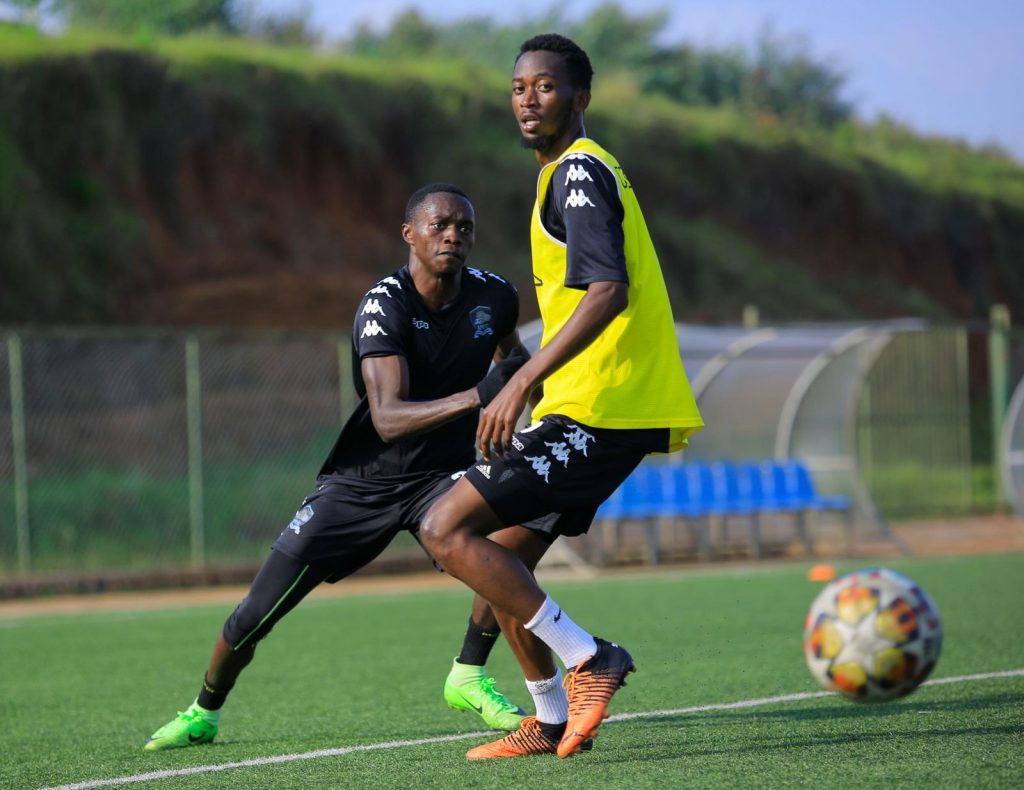
Watch the carrier's next action. A rushed pass backwards, a touch towards the line or a delayed forward ball can show that the pressure has influenced play. An immediate tackle is only one possible outcome. This helps you recognise counter-pressing even when the team does not win possession with the first challenge.
Follow the support around the ball
Teammates need to close useful passing lanes and prepare for the next receiver. If the first player presses while everyone else watches, the opponent may pass beyond the pressure with little difficulty. A coordinated response places several decisions under pressure at once, making it harder to turn a recovery into a clean attacking transition.
Look behind the first challenge as well as beside it. Central protection matters because a successful escape through the middle can expose the defence quickly. Players may position themselves to intercept rather than join a crowd at the ball. Their contribution is the route they deny and the space they keep secure.
Know when the attempt is no longer useful
If the opponent escapes the immediate area with time and a forward-facing receiver, continued chasing can stretch the team further. The next task may be to delay the attack and recover a connected defensive shape. A sensible retreat is not proof that the side lacks commitment. It can be the response that protects the most dangerous space.
Watch for the transition from pressure to recovery. Do midfielders reconnect with the back line? Does a player slow the carrier while others return? These actions help distinguish an organised change of plan from a press that has simply broken down. The same team can counter-press in one situation and retreat in another for sound positional reasons.
Assess the phase rather than one sprint
A useful review follows the sequence from possession loss to the next stable state. Note where the ball was lost, how many supporting players were nearby and whether the opponent could play forward. This context explains why pressure was attempted and whether it reduced the immediate threat, even if possession was not regained.
Avoid assigning every later chance to the first turnover. Football phases can contain several separate decisions and opportunities to reorganise. Describe the visible chain before claiming a cause. Counter-pressing becomes much clearer when treated as a relationship between pressure, cover and recovery, rather than a label attached to any energetic run after losing the ball.
Further reading: FIFA Training Centre: preparing and executing counter-pressing