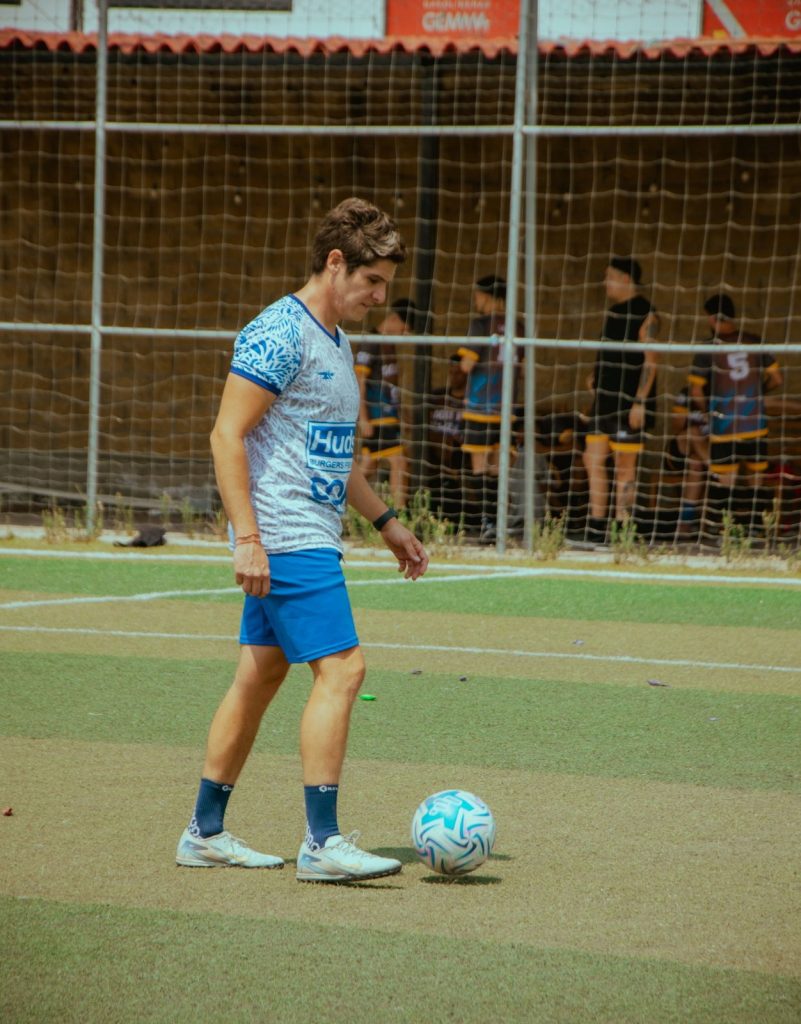
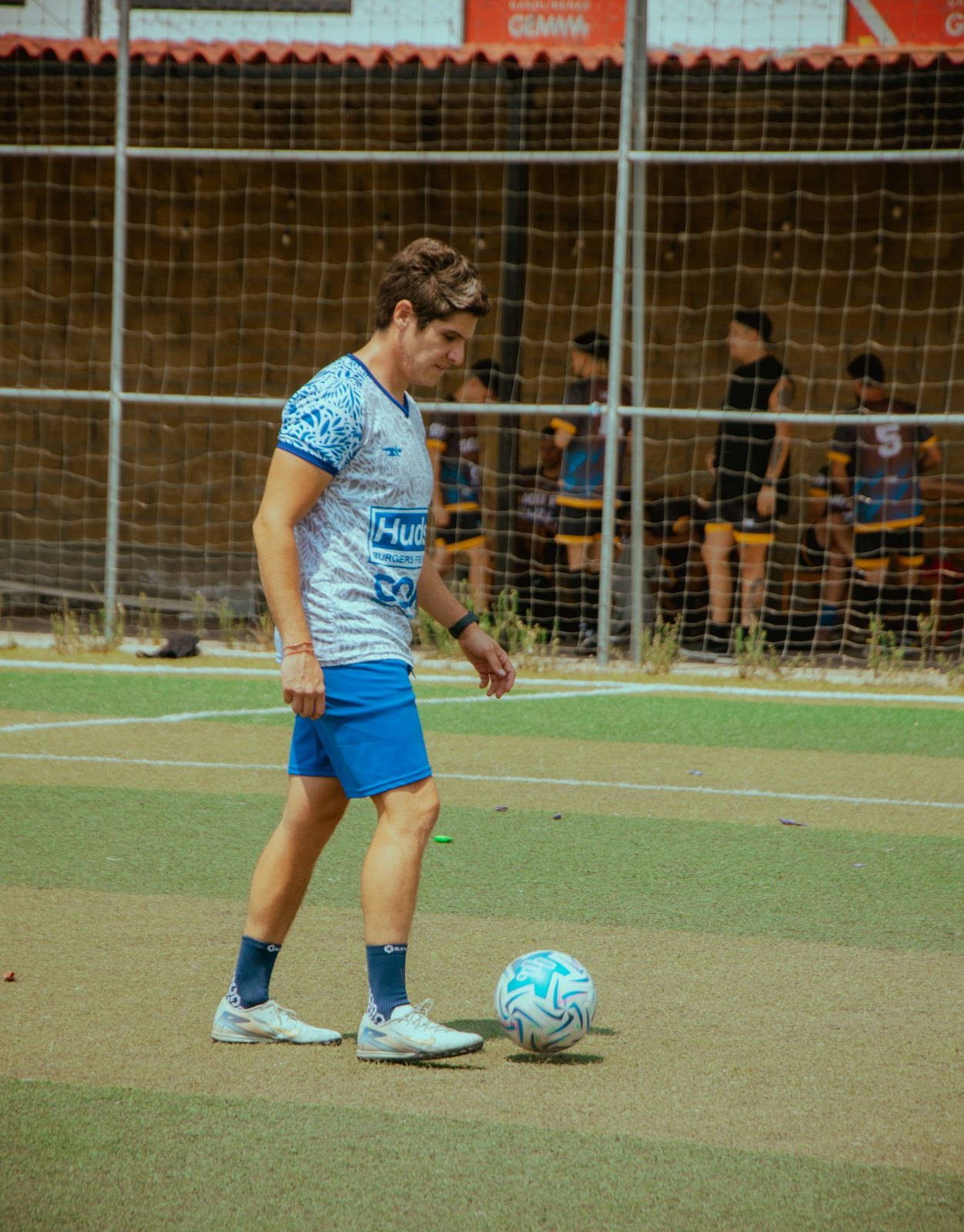
Find the crowded side
Switching play changes the point of attack, often moving the ball from a busy area towards space on the other side. The purpose is not simply to complete a long pass. The attacking team wants to alter the defence's position and give a receiver a better opportunity to advance, combine or deliver the ball.
Begin by looking at why the first side has become crowded. The defence may have shifted across to protect the ball and nearby routes. If the attacking team has drawn several opponents towards that area while keeping an option elsewhere, the next pass can ask the block to travel a greater distance than it can cover comfortably.
Keep a useful far-side option
A switch needs someone positioned to receive it. That player may hold width while teammates combine on the opposite side. The patience can look inactive when the camera follows the ball, but it preserves a route that changes the shape of the attack. Moving towards the ball unnecessarily can remove the very space the team hopes to use.
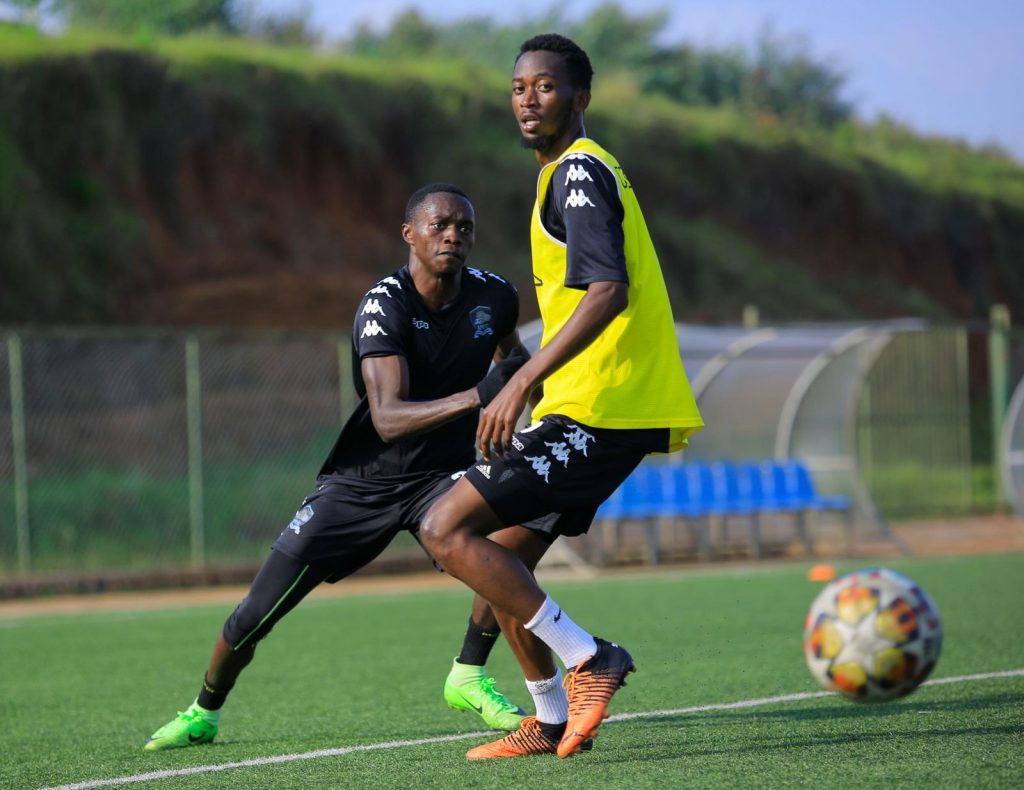
Notice the receiver's body position and available support. Receiving wide is not automatically an advantage if the next touch carries the player into pressure. A useful starting position can allow the receiver to face forward, attack space or combine with an arriving teammate. The switch creates a possibility; the next actions determine its value.
Match the pass to the movement
A direct diagonal can move the ball quickly, while a series of shorter passes can also change the point of attack. The choice depends on pressure, distance and passing lanes. Watch whether the ball arrives before the defence can reset. A slow sequence may give the block time to recover, although it can also create another opening during the shift.
Do not judge the idea solely by the beauty of the pass. A difficult delivery that reaches an isolated receiver under immediate pressure may achieve less than a simple pass followed by good support. Assess the relationship between ball speed, receiver position and defensive movement. These details explain why some switches create danger while others merely relocate possession.
Recognise the advantage on arrival
The receiving side may offer a numerical advantage, a one-against-one duel or space to carry the ball. Identify which opportunity actually appears. If the defence has shifted successfully, the receiver may need to recycle possession instead. A switch is a tool for creating a better situation, not an obligation to cross or dribble every time.
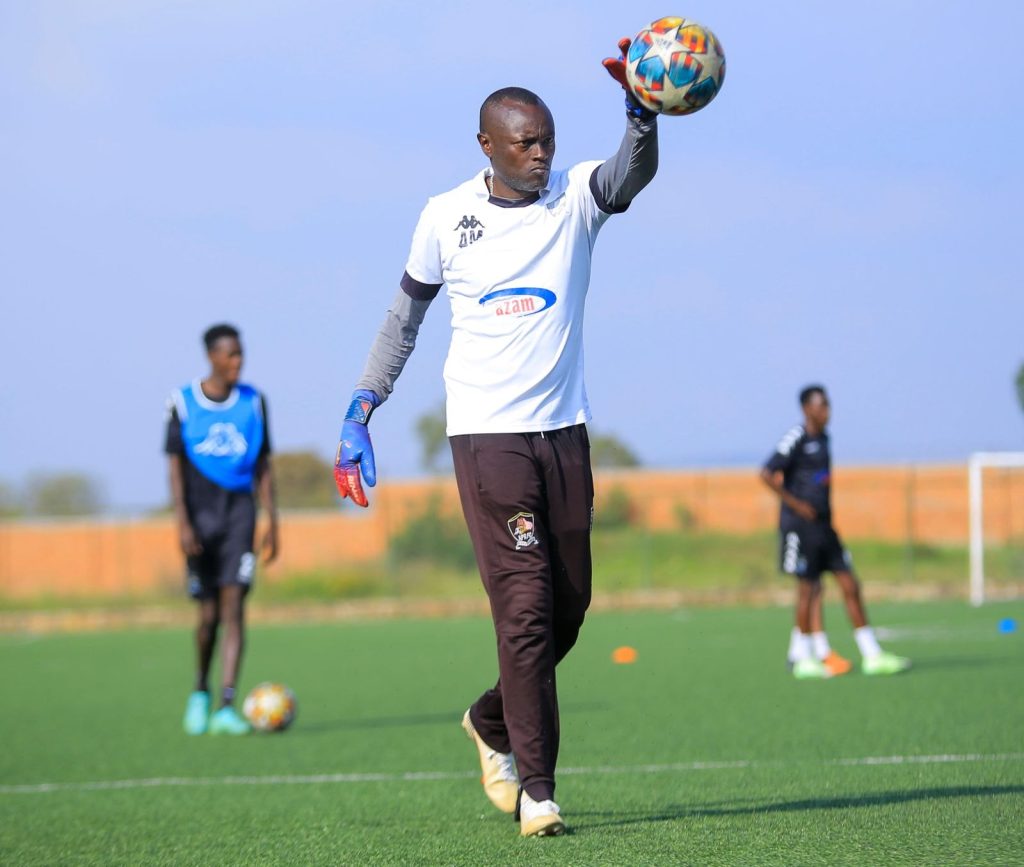
Watch the supporting runs after the ball travels. An overlap can draw a defender, an inside option can connect the attack and a player behind can protect possession. Without those relationships, the wide receiver may face several jobs alone. The strongest attacks turn the first positional advantage into a sequence of connected decisions.
Protect the attack against a turnover
Moving players towards one flank can leave space elsewhere if possession is lost. The team needs a structure behind the ball that can delay a counter-attack or recover it. This does not mean every supporting player stays back. It means that attacking width and defensive protection have to be considered together.
In match notes, record where the switch began, what advantage existed on arrival and how the next phase developed. Avoid treating every cross-field pass as the same tactical event. A good explanation connects the movement of the defence with the opportunity created for the receiver, showing why the change of direction mattered beyond the distance the ball travelled.
Further reading: FIFA Training Centre: core principles of play