Begin with the team shape
Full-back is a position label, not a complete instruction. One team may ask the player to provide high width, another to support centrally and another to protect against transitions. The role can also change between phases of the same match. Start by observing where the player stands when the team builds possession and when it settles into attack.
Look at the nearest winger and midfielder. Their positions explain which spaces are already occupied and which need support. A full-back advancing into a channel can create an option, but the same movement may crowd a teammate in another structure. Roles make sense through these relationships rather than through a universal preference for attacking or conservative play.
Follow the outside run
An overlap takes the full-back around the outside of a teammate, usually offering width or a route beyond the defender. The run can be useful even when it does not receive the pass, because it may pull attention away from the ball carrier. Watch whether the defender follows, holds position or receives help from a teammate.
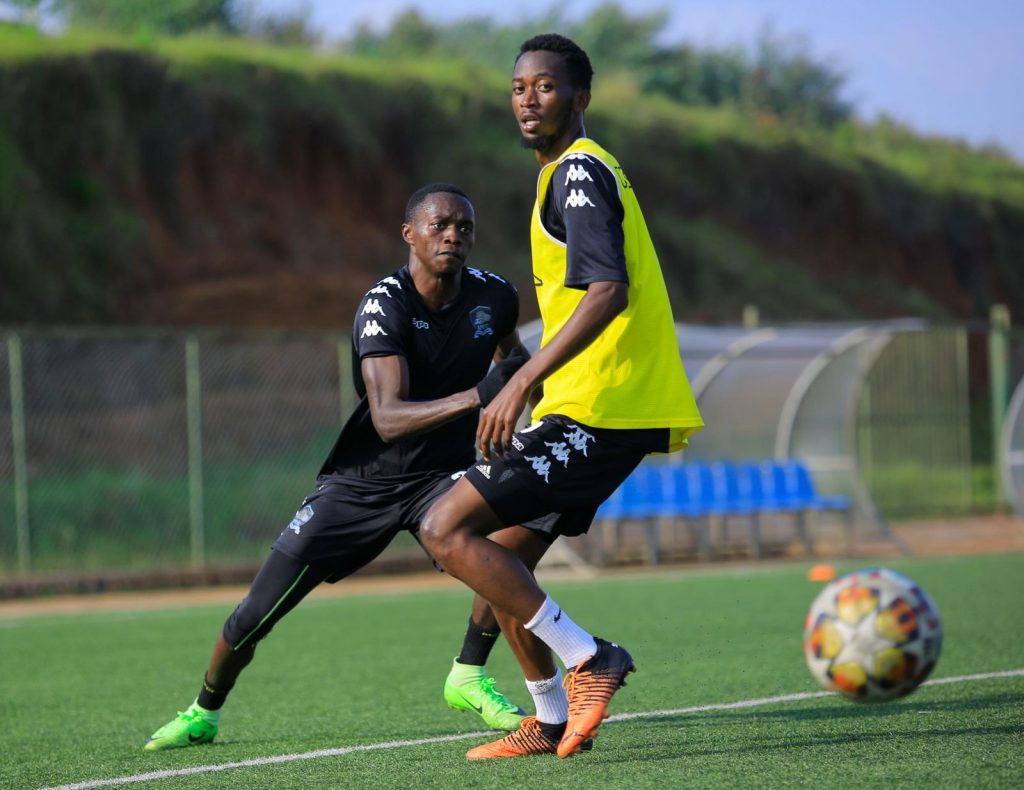
The timing matters. A run that begins before the ball carrier can use it may be covered comfortably. A well-timed arrival can create a new choice at the moment pressure increases. Judge what the movement opens for the attack rather than counting forward runs alone. More running does not automatically mean a more effective supporting role.
Spot support on the inside
A full-back can move towards central midfield during possession, adding a passing option or helping protect the centre after a turnover. This is often described as an inverted role, but the label covers different starting points and responsibilities. Observe the actual position and the passes available instead of assuming every inside movement follows the same model.
Central support may free another midfielder to advance, while a winger keeps the wide lane occupied. If nobody supplies width, however, the attack can become narrow and easier to contain. The movement should be read as part of a shared arrangement. One player's position changes the work required from several others around the ball.
Track the defensive responsibility
When possession is lost, the full-back may need to recover outside, protect a central lane or delay an opponent until the team reorganises. The task depends on where the player began and who offers cover. A high starting position creates different transition demands from a deeper one. This is why attacking contribution cannot be assessed without looking at protection behind it.
Watch the far-side full-back too. While attention stays on the ball, that player may narrow to help the centre-backs or track a runner towards the back post. These quieter adjustments can be important to the defensive shape. A player can contribute substantially without appearing in the main attacking sequence shown by the camera.
Evaluate the role in context
A match may require the same player to change jobs. An opponent's press can encourage an inside position during build-up, while a later substitution allows more width. Describe the phase and the supporting relationships when explaining the role. This is more accurate than assigning one fixed identity to every touch the player takes.
In a review, use concrete observations: held width while the winger moved inside, supported midfield during the first phase, or stayed deeper to cover a transition route. Those descriptions help readers see how the team functioned. They also avoid reducing full-back play to a contest over who attacked more often, when the most useful movement depended on the rest of the side.
Further reading: FIFA Training Centre: core principles of play