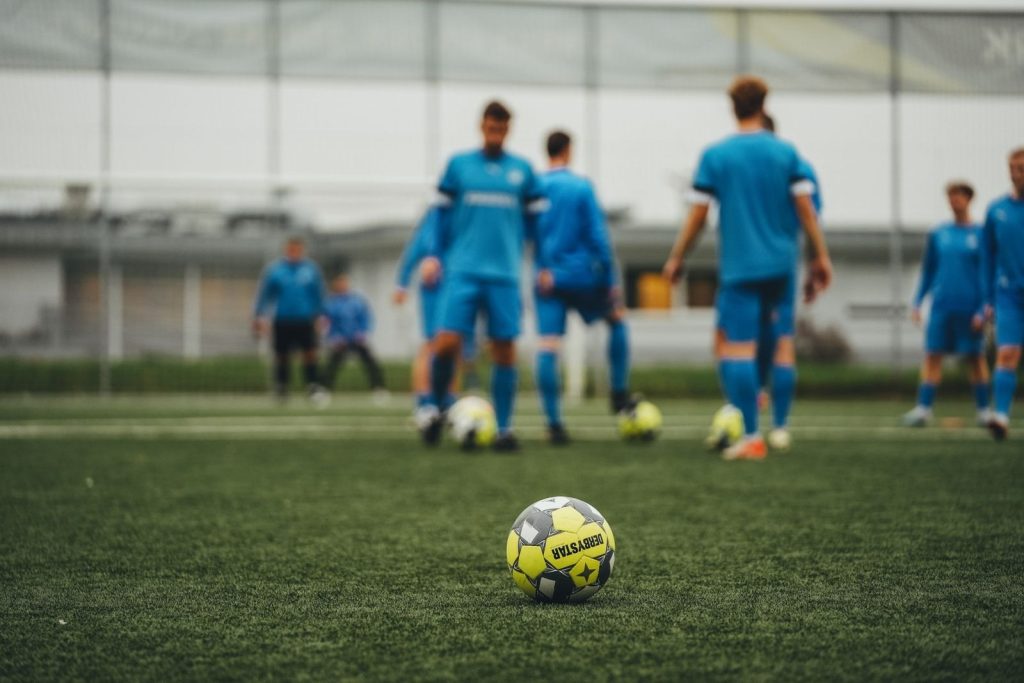

Central midfield rotations become visible once a team settles into possession and begins moving the ball across the middle third. These movements are not random; they follow repeated patterns that open or close passing lanes depending on where the ball sits and how the opposition lines are arranged.
Supporters who want to follow these changes can start by fixing on two or three midfielders and noting their starting positions relative to the ball. When one midfielder drifts wider or drops deeper, the others must adjust to maintain balance, and that adjustment is the first clear sign a rotation is underway.
Why rotations occur in the first place
Teams rotate to create temporary numerical advantages in specific zones. A holding midfielder stepping into the half-space forces an opponent to decide whether to follow or stay in position. If the opponent stays, a passing lane opens between the lines; if the opponent follows, space appears elsewhere for a teammate to receive.
The trigger is usually the position of the ball. When the ball reaches the right-back or right-sided centre-back, the nearest central midfielder often moves towards the touchline. This pulls the opposing midfielder out of the central lane and creates a gap for the deeper midfielder to step forward.
Recognising the first movement
The initial cue is a change in body orientation. The midfielder receiving the ball will turn his shoulders slightly before the pass arrives, signalling intent to play forward or sideways. At the same moment, the second midfielder begins a short diagonal run that crosses behind the first player’s original position.
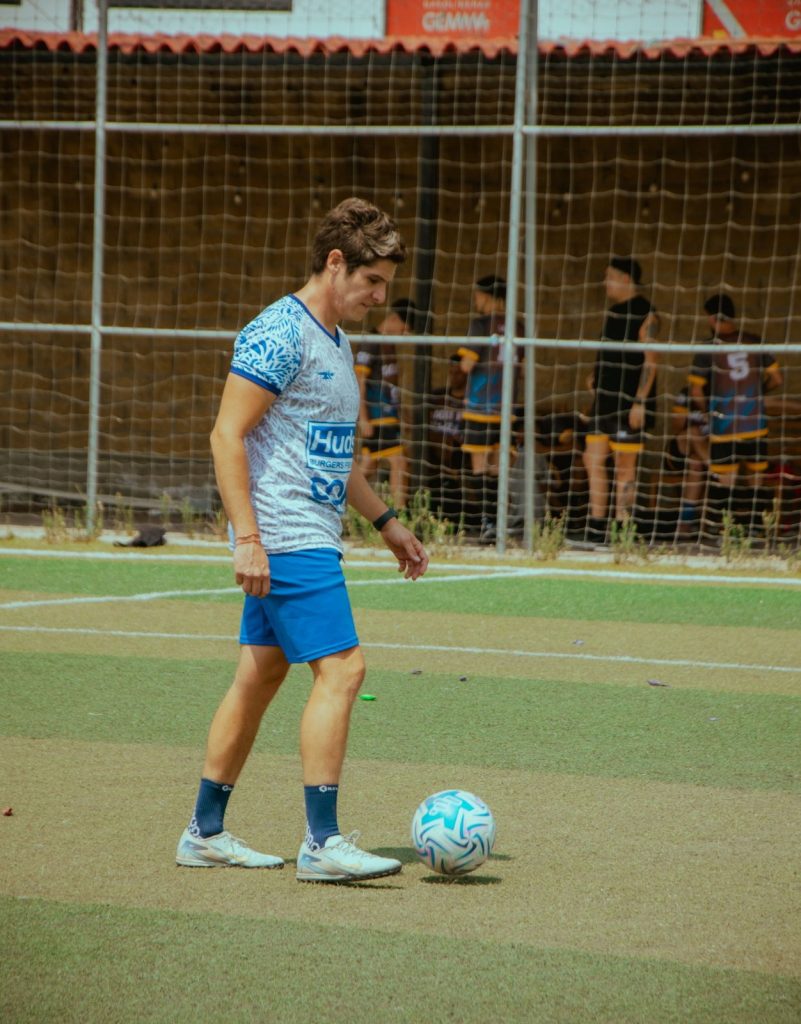
Viewers can confirm the rotation by watching the space left behind. If that space fills within two seconds by another player arriving from deeper, the pattern is complete. If the space remains empty, the team has likely abandoned the rotation and returned to a more static shape.
How the opposition response changes the options
Opponents can disrupt rotations by maintaining a tight man-oriented press in the middle. When this happens, the rotating midfielder receives the ball with less time and must release it quickly, often back to the centre-back. The passing options therefore shrink rather than expand.
Alternatively, if the opposition holds a zonal block, the same rotation can create a clear lane between two defenders. The key difference is visible in the distance between the two central defenders: a larger gap signals that the rotation has succeeded in stretching the shape.
Tracking rotations across match phases
In the opening twenty minutes, rotations tend to be slower and more deliberate because both teams are still probing. After the first goal or after the 60-minute mark, the same movements become quicker and more direct because one side is protecting a lead or chasing an equaliser.
Supporters can note the change by counting the number of touches before the ball moves forward. Early rotations often involve four or five touches; later ones frequently end after two or three. This shortening of possession sequences is a reliable marker that the match phase has shifted.
Common misreads and how to avoid them
One frequent error is mistaking a simple switch of play for a rotation. A switch moves the ball from one side to the other without changing the relative positions of the midfielders. A true rotation always involves at least one midfielder crossing the path of another.

Another misread occurs when a midfielder makes a decoy run but does not receive the ball. The movement still matters because it forces the opponent to track the run, even if the pass goes elsewhere. Observers should therefore watch the opponent’s reaction as much as the ball itself.
Practical steps for match notes
Choose one central midfielder at the start and record his position each time his team gains possession. Note whether he stays central, drops between the centre-backs, or pushes into the half-space. After ten such observations, a pattern usually emerges that can be compared with later phases.
Keep the notes brief: one symbol for each position and a short arrow for the direction of movement. This method allows the viewer to follow the rotations without losing sight of the wider match.
Koooora Football Journal operates as an independent publication and is not connected to any previous operators of similar domain names. All references to rules follow current guidance issued by the International Football Association Board and the relevant competition authorities.
Limitations of the approach
Rotations are harder to read when both teams use similar shapes, because the movements overlap. In such cases, focus on the player who receives the ball rather than the runner, as the receiver’s next action reveals whether the intended lane opened.
Camera angles can also obscure diagonal runs. When the broadcast switches to a tight shot, shift attention to the position of the nearest opponent instead; his movement will still indicate whether a rotation has succeeded.