

The competition chooses the route
A drawn football match does not always require a winner. League fixtures can end level, while a knockout stage may need a side to advance. The competition regulations establish which permitted procedures apply. Before expecting extra time or penalties, identify the format and the stage rather than relying on what happened in another tournament.
Some ties go directly to penalties after a draw; others include extra time. A two-legged contest may consider the aggregate score before any further procedure. These arrangements are not interchangeable. Read the organiser's published rules for the actual season, especially when a competition has recently changed format or removed a tie-break method used in earlier years.
Extra time remains match play
Extra time adds two equal periods within the limits set by the Laws of the Game and the competition regulations. The players continue to play football, goals count towards the match outcome and ordinary match responsibilities remain. It is a continuation of the contest rather than a separate sequence of unopposed attempts from the penalty mark.
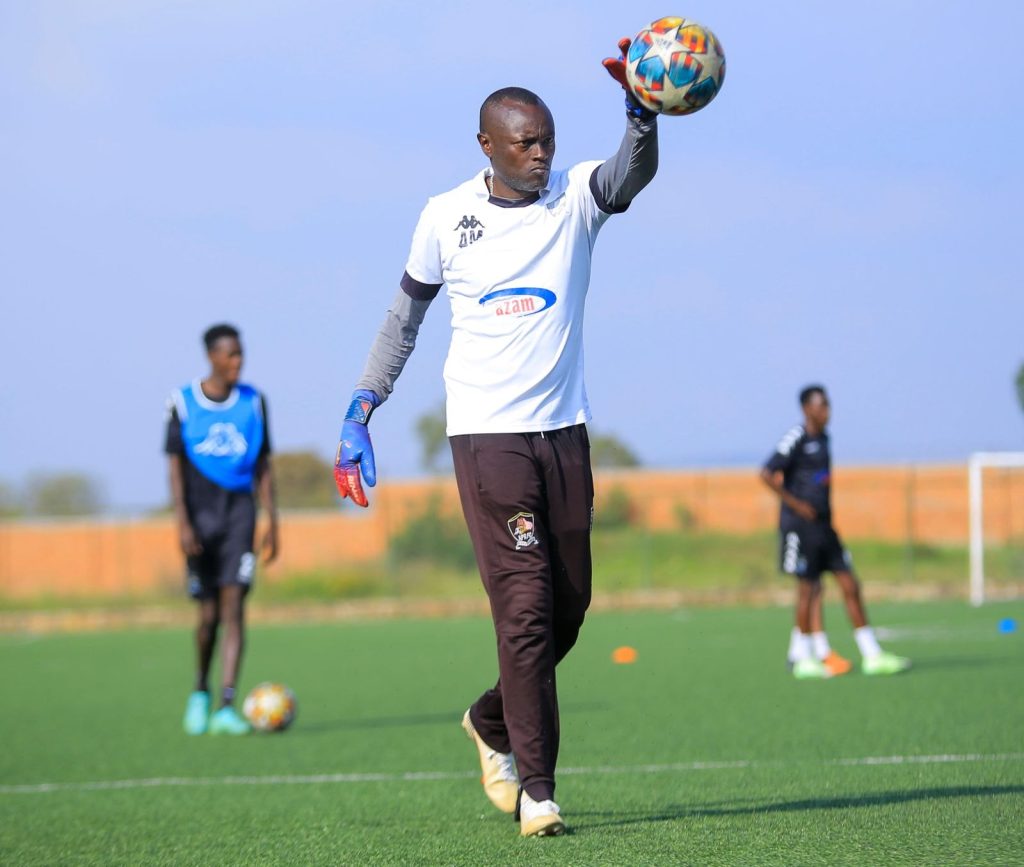
Teams can change their approach because the remaining time and available personnel have changed, but there is no universal tactical script. Watch fatigue, substitutions and the score as context. Do not assume a side is automatically playing for penalties simply because it attacks cautiously. The same behaviour can reflect pressure, limited options or an opponent's defensive organisation.
A shoot-out follows the match
Penalties in a shoot-out are taken after the match has ended. They are different from a penalty kick awarded for an offence during play. Under Law 10, the eligible participants and procedure are defined specifically for this stage. A player who was sent off during the match cannot simply return to take a kick.
The shoot-out begins with alternating kicks, normally with an initial set of five for each team unless the outcome is already decided earlier. If the scores remain level after the initial set, alternating pairs continue until one team has scored more after an equal number of kicks. Follow the sequence carefully rather than treating a temporary lead as a completed result.
Read the eligible-player details carefully
The shoot-out has particular provisions for goalkeepers who cannot continue and for equalising the number of eligible players. These details can become important after an injury or dismissal. A simple explanation should direct readers to the relevant current law rather than assuming that every named substitute is available to join the sequence.

Disciplinary treatment also has its own boundaries between match play and the shoot-out. When a specific incident occurs, identify whether it happened before or during the kicks and which current provision applies. The broad idea that penalties are a separate deciding procedure is useful, but it does not replace the exact rule needed to explain an unusual case.
Report the result without mixing the scores
When writing about the outcome, distinguish the match score from the shoot-out score. A side can draw the match and advance on penalties. Adding the shoot-out tally to the match goals obscures what happened. State the result in a way that makes both stages clear, using the competition's official report as the reference for the final figures.
For viewers, the simplest checklist is format, aggregate where relevant, extra-time requirement and then the shoot-out procedure. That order prevents confusion when a tie reaches its deciding phase. It also makes the drama easier to follow: the question is not only who scored most recently, but which stage of the competition's chosen process is currently being played.
Further reading: IFAB Law 10: Determining the outcome of a match