Find the connected lines
A mid-block is an organised defensive shape held around the middle part of the pitch, often extending towards the defensive third as the game moves. Its purpose is not simply to stand halfway back. The team tries to connect its lines so that an opponent cannot easily receive and turn through central spaces.
Watch the distance between the forwards, midfield and defence. If one unit moves without the others, a useful pocket can appear. A compact shape requires coordination both across the pitch and from front to back. The formation name provides a starting picture, but the distances and movements tell you whether the block is functioning as intended.
Protect the central route
The centre offers direct routes towards goal and connections to either side. A compact block tries to make those routes difficult to access. The ball carrier may be allowed time in a less threatening area while central receivers remain closely screened. This can explain why a side has possession without finding a useful forward pass.
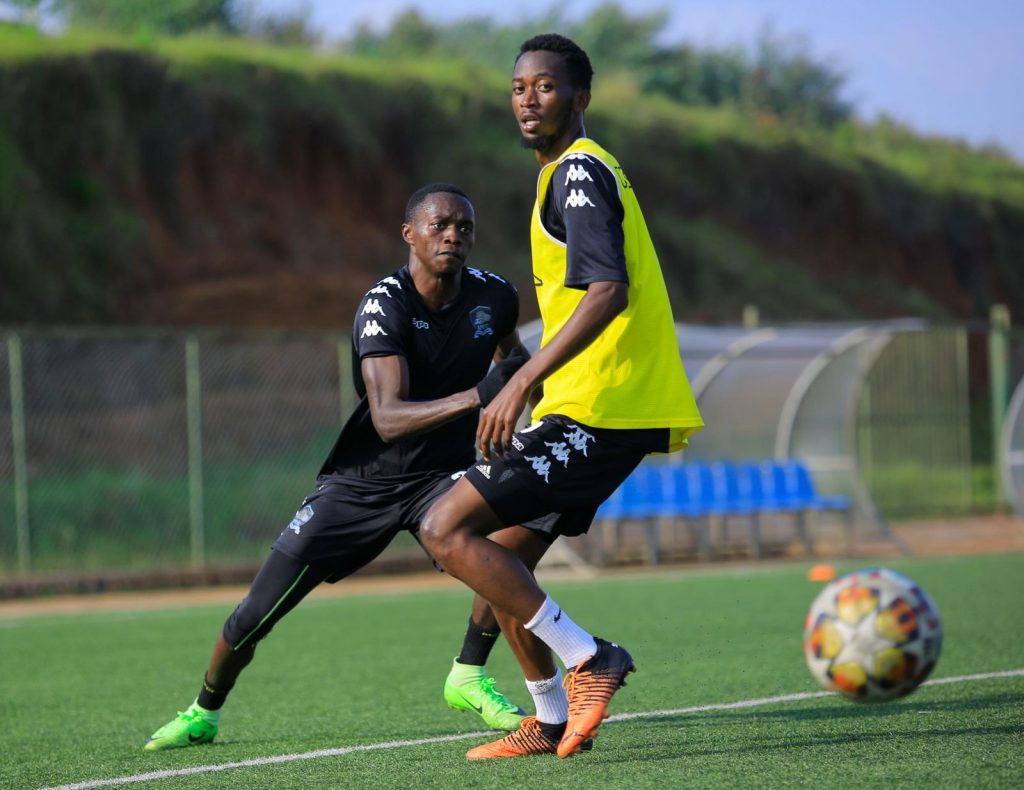
Look at the players away from the ball. A midfielder may adjust a few steps to remove a passing lane rather than chase the carrier. That movement is easy to miss because it does not resemble a tackle. Its value appears in the pass that never becomes available, or in the opponent being encouraged to circulate towards the outside.
Follow the shift towards the flank
When the ball moves wide, the defending team needs to shift together. The nearest player applies pressure while others protect the inside route and spaces behind. If the whole shape is stretched too far, the far side can become vulnerable to a switch. Compactness therefore involves balance, not every defender running towards the same point.
Watch whether the wide receiver can turn and advance or is pushed back towards support. The first defender's angle matters, as does the position of the covering player. A successful defensive phase may end with a backwards pass rather than a turnover. The block has still influenced where and how the opponent can continue the attack.
Recognise a pressing trigger
A team may wait in its shape until a particular event makes pressure more useful. A poor touch, a backwards pass or a receiver facing their own goal can create an opportunity. These are examples of possible triggers, not rules that every side follows. The important clue is whether several players react together when the moment arrives.
Compare the first runner with the supporting movements. If nearby lanes close and the defensive line advances appropriately, the pressure has a collective structure. If the runner goes alone, the opponent may escape through the space behind. Reading the trigger means observing the whole response rather than admiring the speed of the nearest player in isolation.
Notice the route after recovery
Winning the ball is only one part of the phase. A mid-block also needs a way to use possession once recovered, whether through an immediate forward option or a safer pass that gives the team time to expand. Without an outlet, a successful challenge can be followed by another wave of pressure.
In your notes, connect the defensive shape with the first attacking decision. Where was the outlet positioned, and did supporting players arrive in time? This makes the mid-block easier to understand as part of a complete team plan. It protects space, shapes the opponent's choices and creates the conditions from which the next possession can begin.
Further reading: FIFA Training Centre: the mid-block and compactness