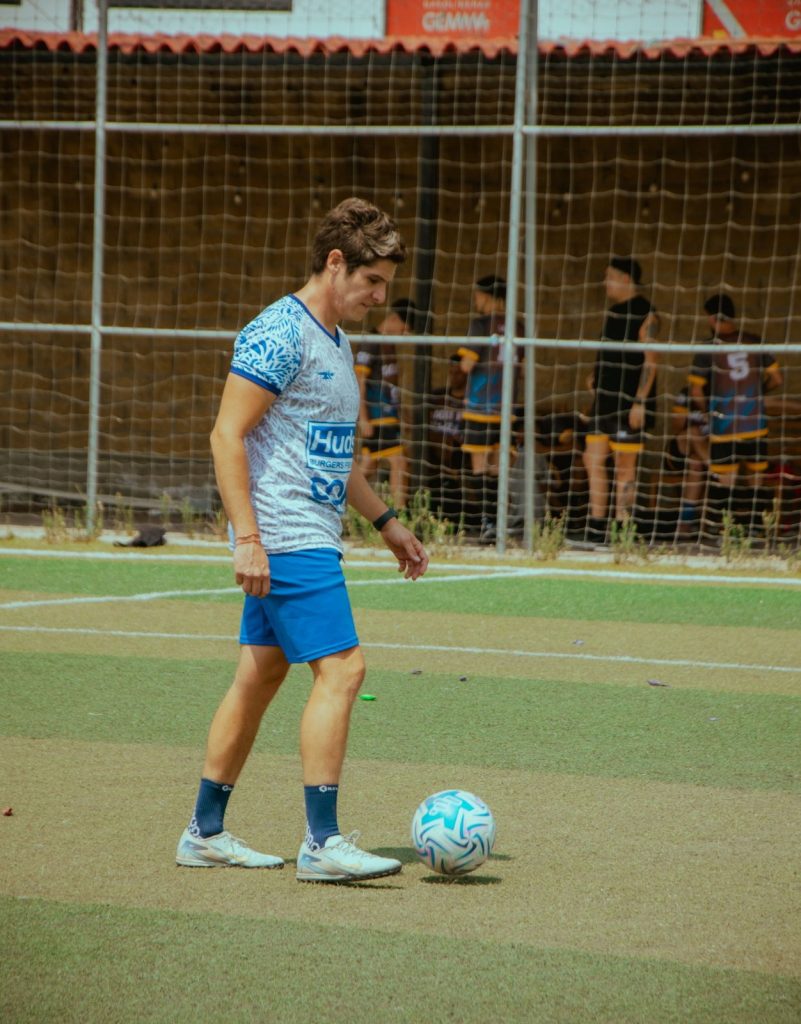
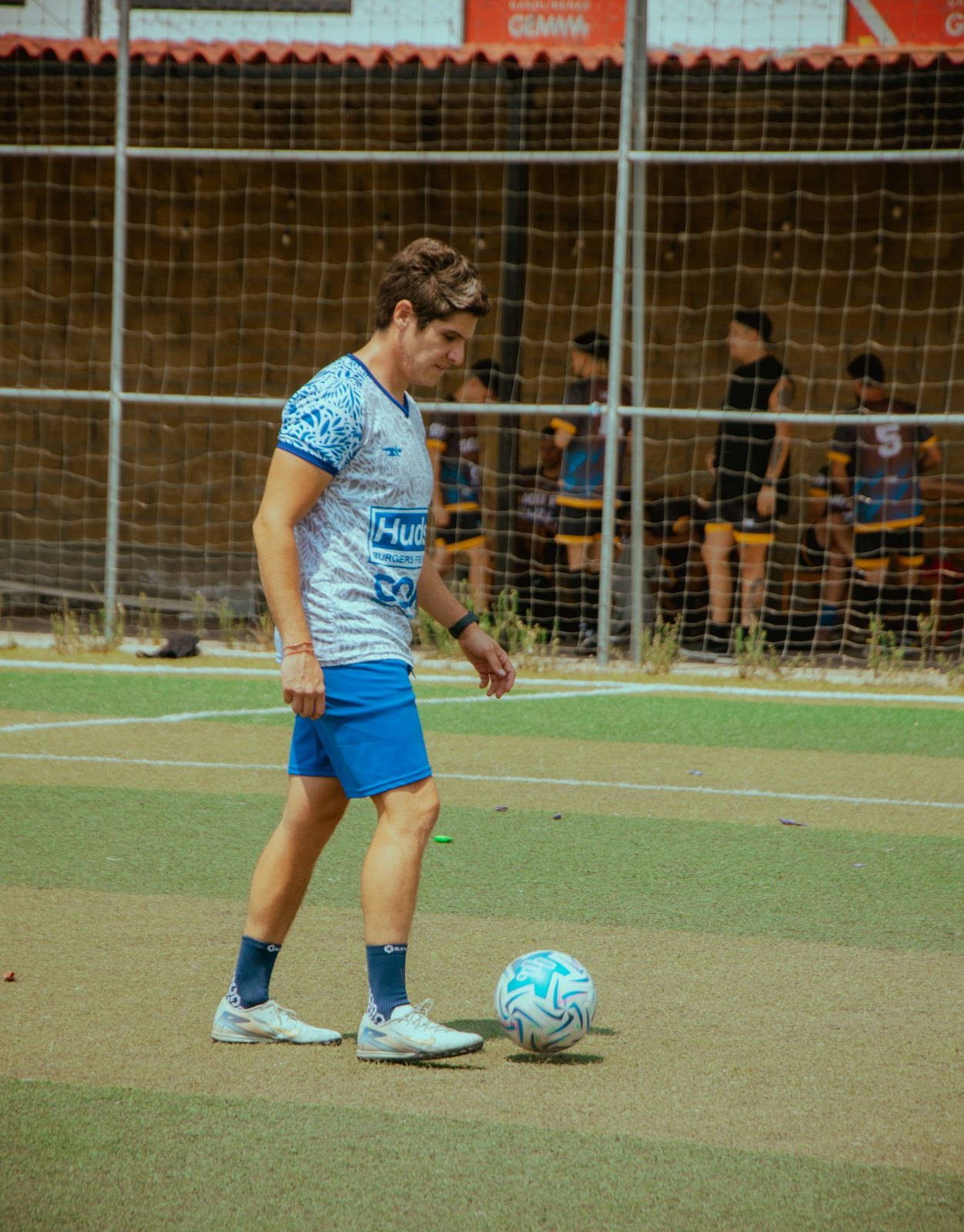
Some of football's most effective combinations look almost unnecessarily complicated until the defensive line is included in the picture. A player passes to a teammate who immediately moves the ball on, allowing somebody else to receive in a better position. The first receiver is a connection, not the final destination. This is the central idea behind a third-player combination. The extra relationship can make a player accessible when a direct pass is blocked, but its success depends on movement, orientation and timing rather than simply counting three touches.
Identify the blocked direct route
Begin with the first passer and the player who eventually receives beyond the immediate pressure. Ask why a direct pass was difficult. An opponent may stand in the lane, approach from an angle that discourages it or be ready to challenge the receiver. The intermediate teammate offers a new angle. That change can shift the point from which the final pass is delivered and alter which defender must respond.
Not every sequence involving three teammates is a meaningful third-player combination. A slow circulation around an unpressured defence may involve the same number of players without using a connecting action to free the eventual receiver. Look for the problem solved by the intermediate pass. The combination becomes analytically useful when it explains how a lane, body position or defensive responsibility changed, rather than functioning as a decorative label for ordinary passing.
Watch the connecting player before the ball arrives
The connecting teammate needs to know where pressure is coming from and what the next option looks like. A first-time pass may be possible, but it is not a compulsory feature of every useful combination. The important point is whether the receiver can move the ball on before the defence closes the new route. Body position and prior scanning help explain why a seemingly simple touch can be decisive.
Watch whether the connecting player comes towards the ball or holds a position that draws an opponent. A short movement can create a safe passing angle while fixing the defender's attention. The player may not turn at all, instead laying the ball towards the third teammate. That does not make the action passive. The connection can be the central reason the eventual receiver gets the ball facing forward instead of receiving with an opponent immediately behind.
Follow the third player from the beginning
The third player may move before the first pass, during its travel or as the connecting touch becomes possible. The timing needs to fit the available space. Moving too early can bring a marker into the intended lane; moving too late can leave the connecting player without a useful next action. Look at where the third player starts and when the movement becomes visible to the defence.
FIFA's analysis of third-player combinations emphasises the role of well-timed off-ball movement in opening space beyond a defensive line. For a viewer, the practical exercise is to follow that off-ball participant rather than the ball for a few seconds. Notice whether the player accelerates into a lane or stays available while others move away. A successful combination can use a stationary receiving position too, if the first two actions change the defence around it.
Read the next action, not just the completed pass
Receiving beyond pressure is valuable only in relation to what comes next. Can the third player turn, carry, shoot or connect with another teammate? A completed pass into a crowded area may be less useful than a slightly slower combination that produces a clear forward view. Check the receiver's first touch and the position of the nearest recovering opponent. The quality of the outcome cannot be judged from pass completion alone.
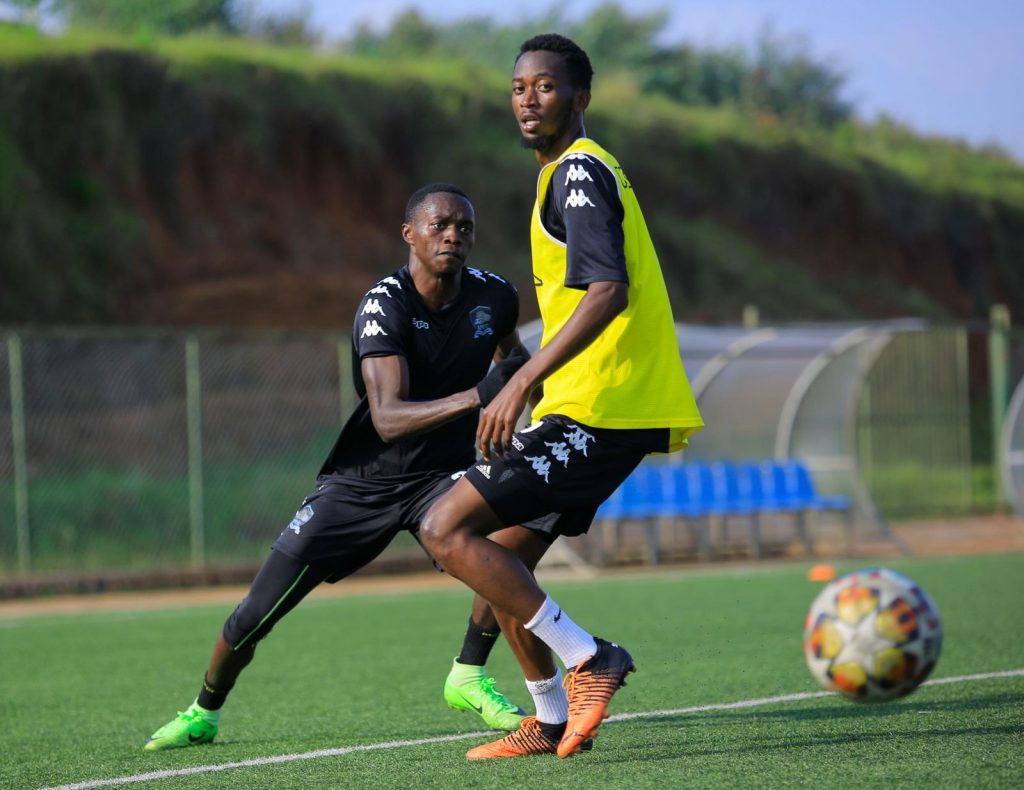
The third player might also return the ball or draw another defender before releasing it. A combination does not have to finish with a spectacular line-breaking pass. It can change the direction of pressure and allow a safer continuation. Describe the advantage produced: a player facing forward, a defender bypassed or a new angle opened. This is more precise than treating every connected sequence as an attack that should necessarily end in a chance.
Compare the defensive options
The defence can try to block the first connection, press the connecting player or track the third player's movement. Each choice changes the space elsewhere. Watch whether a defender follows the initial receiver and leaves the next lane, or stays and allows the ball to be returned. A well-organised response can force the combination backwards without winning possession immediately. That is still an important defensive outcome.
Consider pressure on the original passer as well. If that player has time, the combination may be easier to prepare. If pressure is intense, the first pass may be chosen mainly to retain the ball, with the third-player option emerging as the play unfolds. Do not assign a rehearsed plan to every sequence simply because the result resembles one. Repetition, shared timing and the surrounding shape provide stronger evidence than a single successful action.
Build a short viewing exercise
Choose a passage where a midfielder receives after a lay-off. Replay it three times: first for the initial passing lane, then for the connecting player's orientation and finally for the third player's movement. Note which opponent was taken out of the immediate contest. If the broadcast angle hides the start, describe the missing information rather than filling it in. A simple sketch with three attackers and the relevant defenders can clarify the geometry.
When explaining the sequence to somebody else, begin with the obstacle and end with the advantage. The first player could not pass safely into the desired space, a teammate supplied a better angle, and the third player arrived at the right moment. That account makes the mechanism visible without overloading it with terminology. Once recognised, the pattern becomes easier to see in midfield, near the touchline and around the penalty area, even when the exact positions and speed differ.